Stuck in Survival Mode? Why You Feel On Edge, Frozen, or Numb (Fight, Flight, Freeze, and Shutdown)
If your body feels like it’s always bracing, your mind won’t turn off, or you shut down when overwhelmed, you’re not broken. These are nervous system protection responses, and your system can learn safety again.
What “survival mode” feels like in real life
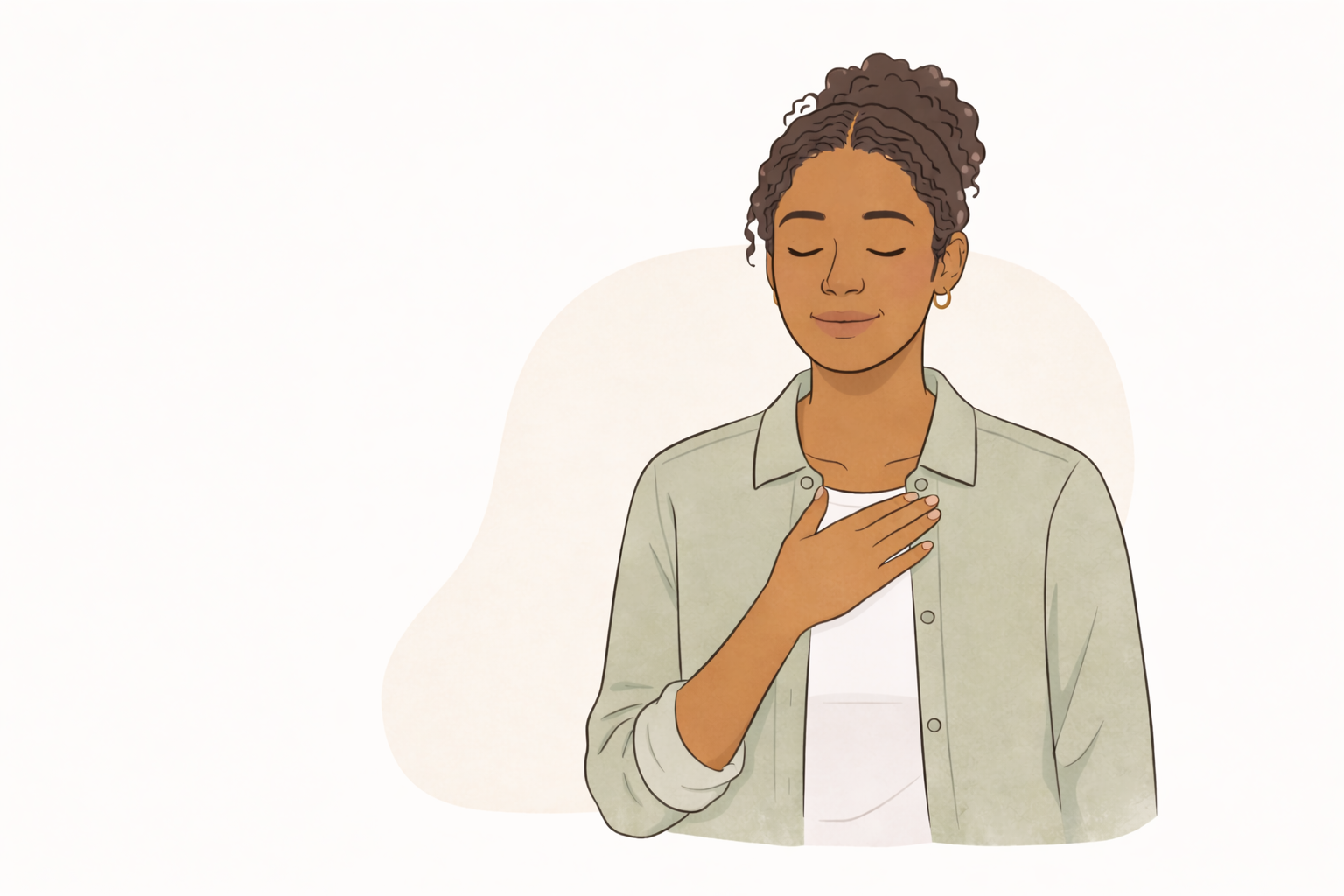
If you’ve ever thought, “Why can’t I relax even when nothing is happening?” you’re not alone. Many people live with a nervous system that feels like it’s always bracing. You might look high-functioning on the outside while feeling tense, jumpy, or exhausted on the inside. Or you might swing between being on edge and feeling completely numb. This can be confusing, especially if your life is stable now. It can also lead to shame, because you may tell yourself you should be over it.
Survival mode can show up in different ways. For some people it looks like anxiety, urgency, or a constant sense that something bad is about to happen. Your mind may race. Your body may feel wired. You might scan your environment, overthink conversations, or feel restless like you can’t settle. Even small stressors can feel intense, and it can be hard to turn your brain off.
For other people, survival mode looks less like anxiety and more like shutdown. You might feel foggy, numb, disconnected, or like you’re watching your life from a distance. You may struggle to access emotions or motivation. You might feel exhausted or heavy, and simple tasks can feel like too much. Some people move between these states, feeling anxious and activated one moment, and then numb or collapsed the next.
Here’s the most important thing to know: survival mode is not a character flaw. It is not you being dramatic, lazy, or “too sensitive.” Survival mode is a nervous system state. It is your body doing what it was designed to do, protect you. If your nervous system learned that the world was unpredictable, unsafe, or overwhelming at some point, it may have stayed on alert. The good news is that the nervous system can learn safety again.
Your body isn’t broken. It’s trying to protect you.
If this resonates, you can begin here: Start Here: Stuck in Survival Mode.
Survival mode is a nervous system state, not a personality trait
Survival mode happens when your nervous system detects danger and shifts into protection automatically. You can think of your nervous system as having a built-in smoke alarm. Its job is to scan for cues of safety and threat and respond quickly. The important part is that this system often reacts before you consciously think. That is why you can logically know you are safe and still feel your body tense, your heart race, or your mind spiral. Your body reacts first, and your thoughts try to catch up.
In polyvagal theory, this automatic detection system is often called neuroception. Neuroception is the nervous system’s way of deciding “safe or not safe” without needing a conscious decision. When neuroception detects safety, your system has more access to calm, connection, and flexibility. When it detects danger, your system shifts into survival strategies designed to protect you.
Many people think survival mode only means fight or flight, but there are other common protective responses too. Fight and flight are mobilized states. They can look like anxiety, urgency, irritability, anger, restlessness, overthinking, or the need to escape or control. Freeze and shutdown are more immobilized states. Freeze can feel like being stuck or blank, unable to move or speak even when you want to. Shutdown can look like numbness, dissociation, exhaustion, or feeling disconnected from your body and emotions.
These are not random reactions. They are protective strategies. Often, they developed because your nervous system learned through experience that certain situations, cues, or feelings were not safe. The goal is not to judge these survival responses. The goal is to understand them and help your nervous system find its way back to safety more easily.
Fight, flight, freeze, and shutdown explained
When people say they feel “stuck in survival mode,” they’re usually describing a nervous system that keeps shifting into protection states automatically. These states are not character flaws. They are protective responses your body uses when it senses danger, overwhelm, or lack of control. The confusing part is that the same survival responses can keep showing up even when your life is calmer now, because your nervous system may still be operating on old learning.
A helpful way to think about this is: your nervous system is always trying to answer one question, “Am I safe?” When the answer feels like “no,” your body chooses a strategy. For some people, the strategy is mobilizing (fight or flight). For others, it’s immobilizing (freeze or shutdown). Many people move between more than one.
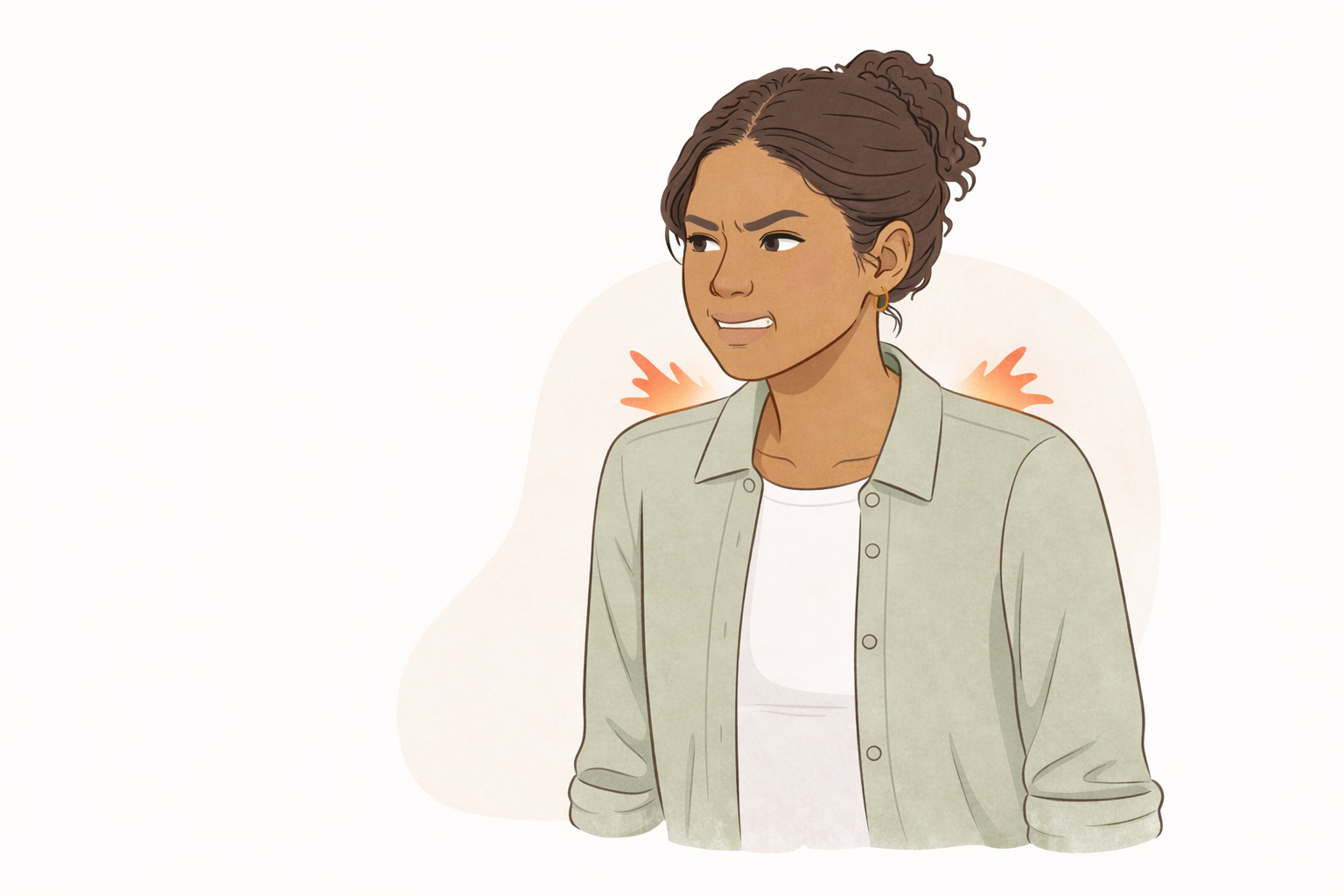
Fight response (irritability, anger, defensiveness)
Fight is the nervous system’s way of protecting you through defense and control. It can show up as:
irritability, snapping, or feeling easily provoked
anger that comes up quickly, especially when you feel misunderstood
defensiveness, arguing, correcting, or feeling like you need to prove yourself
a strong need to control the situation to feel safe
body cues like jaw clenching, tight shoulders, heat, and tension
Everyday examples:
You get a critical email and immediately feel rage or the urge to “set the record straight.”
A partner’s tone changes and you suddenly feel defensive, sharp, or ready to fight.
Someone interrupts you and you feel your body surge with “I need to protect myself.”
Fight often carries a story like: “I’m not safe. I need to defend myself.” Underneath, many people are feeling fear, shame, or vulnerability. Fight is not “bad.” It’s protection.
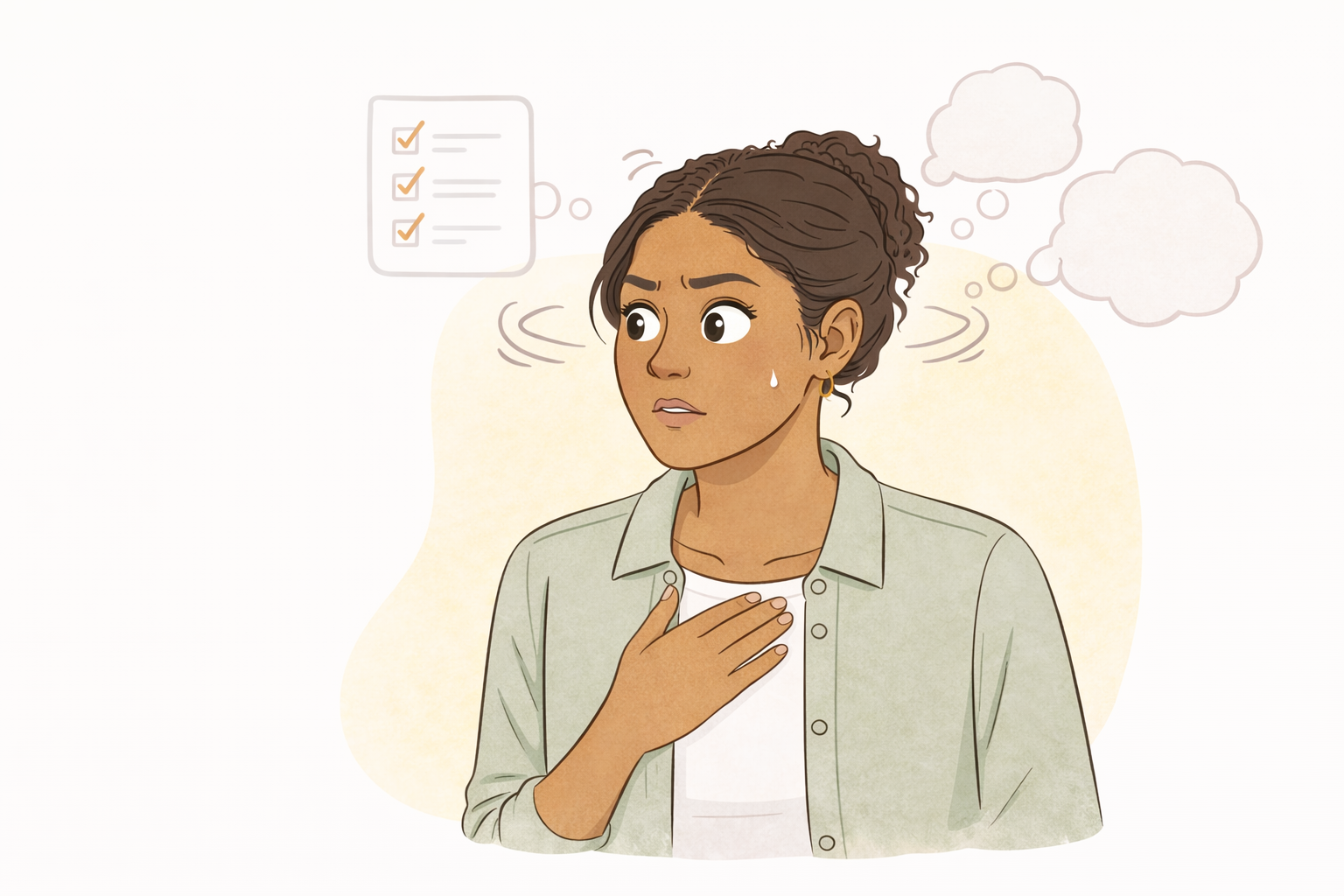
Flight response (anxiety, urgency, overthinking, hypervigilance)
Flight is also mobilized, but instead of confronting, the nervous system tries to create safety by moving, fixing, escaping, or staying busy. It can look like:
racing thoughts, worry spirals, future-tripping
hypervigilance, scanning people, rooms, or situations for what could go wrong
restlessness, inability to relax, always needing to do something
over-preparing, perfectionism, or staying productive to reduce uncertainty
avoiding places, conversations, or feelings because they feel too activating
Everyday examples:
You’re trying to rest but your mind won’t stop scanning for what you forgot.
You reread a text five times, analyzing tone, and feel anxious until you get reassurance.
In public, you scan exits, monitor faces, and feel urgency to leave.
You feel a body sensation (tight chest) and your mind jumps to worst-case conclusions.
Flight often carries the story: “If I move fast enough, I can prevent danger.” Many high-functioning people live in flight and just call it “stress,” but it’s often a survival response.
Freeze response (stuck, blank, can’t move or speak)
Freeze is what many people mean when they say, “I know what I want to do, but I can’t.” The freeze response can feel like being stuck between wanting to act (fight/flight) and shutting down (dorsal). It can look like:
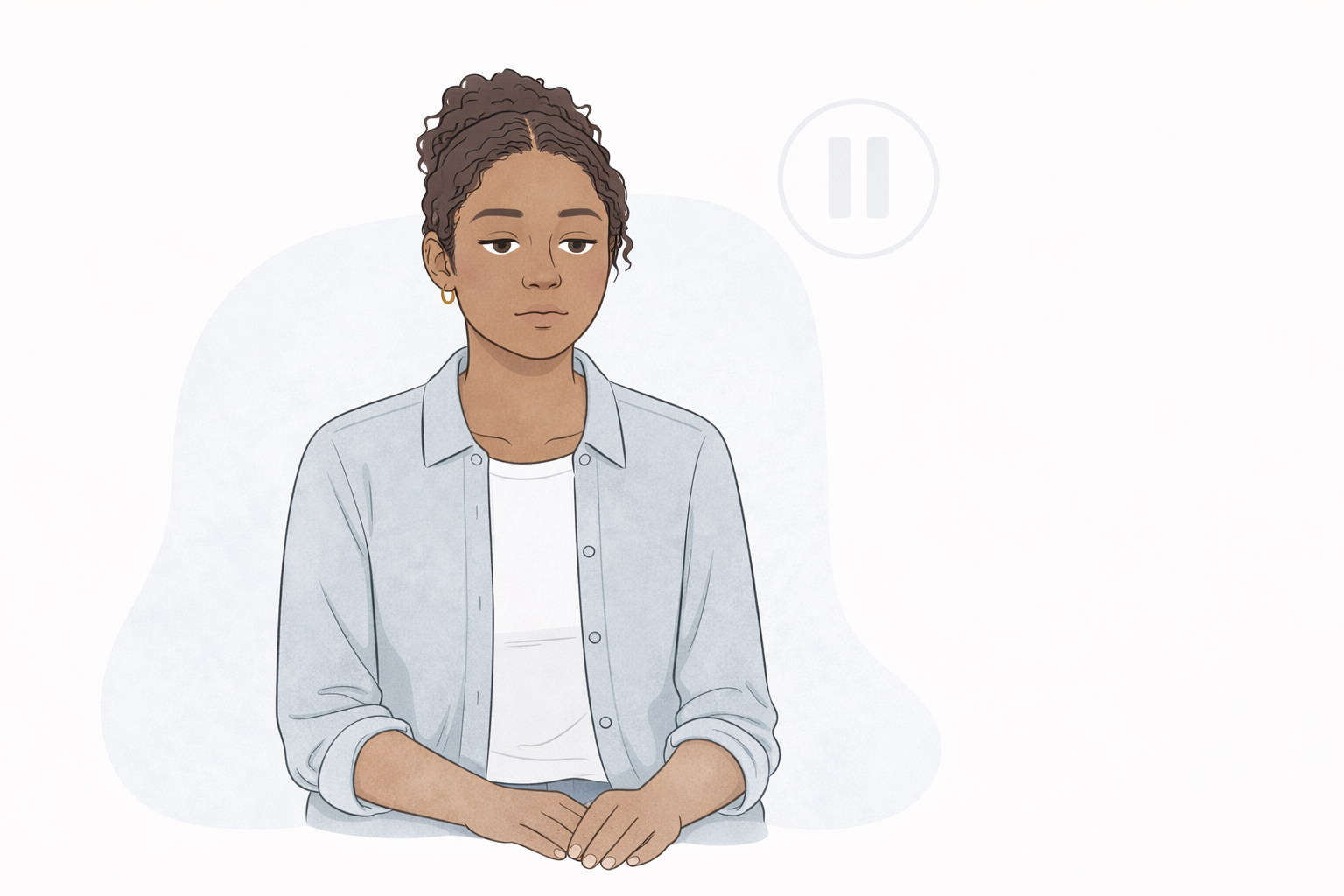
going blank in conversations, losing your words
feeling locked in place, unable to move, speak, or decide
procrastination with panic underneath
feeling tense and immobilized at the same time
“I can’t” sensations even when the task is small
Everyday examples:
Someone asks you a direct question and you suddenly can’t think, even though you know the answer later.
During conflict, you freeze, go quiet, and can’t access your voice.
You open your laptop to work and feel overwhelmed, then get stuck scrolling instead.
You want to set a boundary, but your body won’t let you speak.
Freeze often carries a story like: “No matter what I do, it won’t be safe.” It is a protective response when your system senses threat and doesn’t feel like fighting or fleeing is possible.
Shutdown (numbness, dissociation, collapse)
Shutdown is the nervous system’s protective “power-save mode.” It often happens when something feels too overwhelming, too long-lasting, or inescapable. Shutdown can look like:
numbness, emotional flatness, disconnection
dissociation (spacing out, feeling far away, “watching from outside”)
brain fog, low motivation, heaviness
exhaustion, wanting to sleep, withdraw, or disappear
hopeless thoughts like “what’s the point?”
Everyday examples:
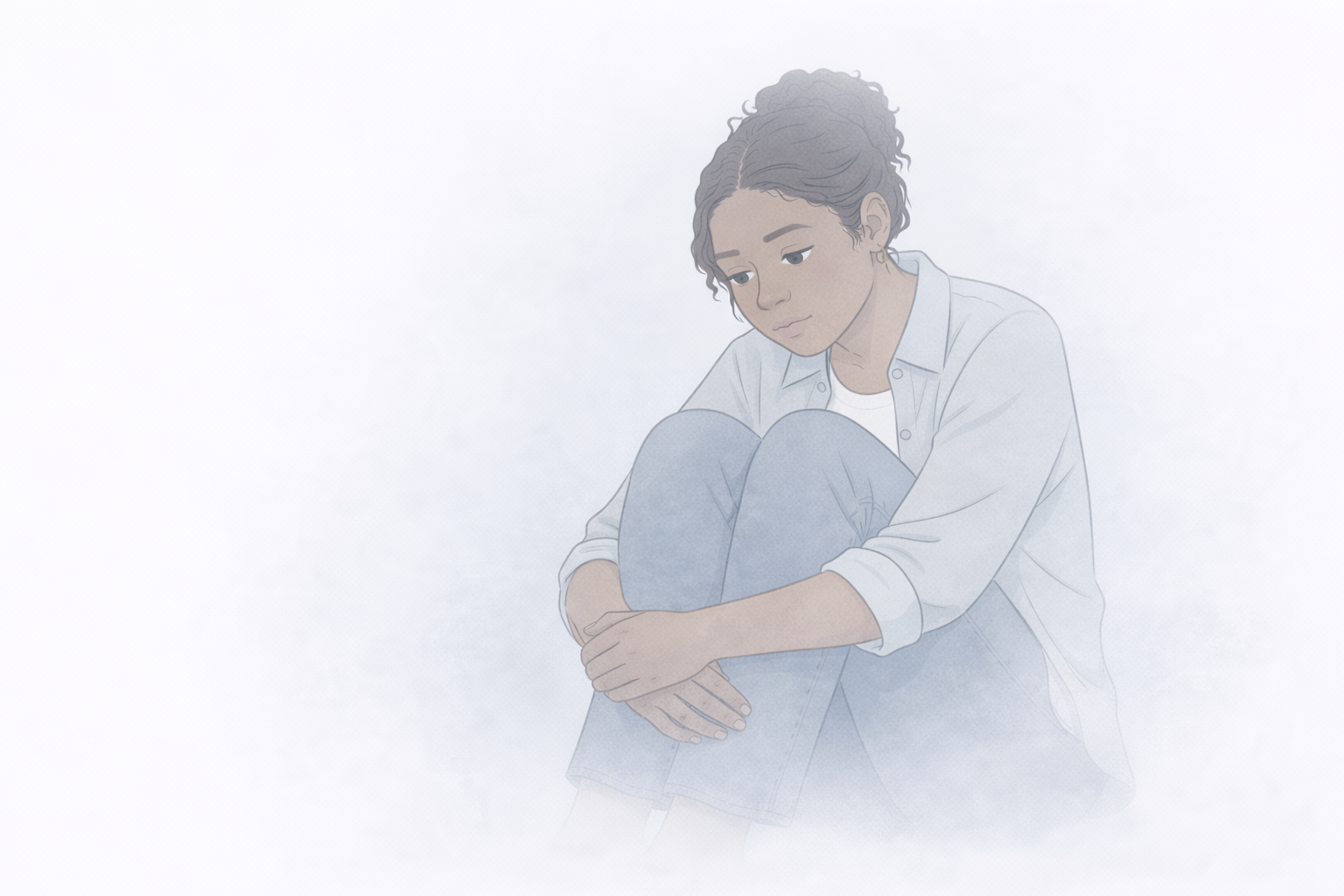
After a stressful day, you can’t engage with anyone and just want to lie down and zone out.
In a difficult conversation, you suddenly feel numb and stop tracking what’s being said.
You get overwhelmed and your body “powers down,” leaving you feeling foggy and disconnected.
You avoid responding to messages because even thinking about it feels like too much.
Shutdown often carries the story: “It’s safer not to feel.” This is not laziness. It’s protection.
How to tell which survival mode you’re in (quick checklist)
If you want a simple way to identify your state, try this:
Fight
“I feel reactive or angry.”
“I need to defend myself.”
“My body feels tight, hot, or tense.”
Flight
“My thoughts are racing.”
“I can’t relax until everything is handled.”
“I’m scanning for danger or what could go wrong.” (hypervigilance)
Freeze
“I feel stuck and blank.”
“I want to respond, but I can’t.”
“My body feels tense and immobilized at the same time.”
Shutdown
“I feel numb or disconnected.”
“I’m foggy, heavy, or exhausted.”
“I want to withdraw or disappear.” (dissociation/shutdown)
Many people cycle between states. A common pattern is flight → shutdown, where anxiety and hypervigilance build, and then the system drops into numbness or dissociation once it’s too much. Another pattern is freeze → fawn, where you go blank and then become overly agreeable to end the threat.
The good news is that once you can name the state, you can choose a response that actually supports your nervous system. In the next section, we’ll talk about how to come out of survival mode using practical steps that build context, choice, and connection.
If survival mode for you looks like going blank, numb, or disconnected, visit: Flashbacks, Triggers & Dissociation.
How to come out of survival mode

When you realize you’re in fight, flight, freeze, or shutdown, the goal is not to force yourself to “snap out of it.” The goal is to give your nervous system the conditions it needs to shift toward safety. A practical way to do that is by building three things that support regulation: context, choice, and connection. You do not need to do all three perfectly. Even one can begin to soften survival mode.
Step 1: Context
What do I know is true right now?
Survival mode often makes the present feel like the past. Restoring context helps your body orient to what is actually happening now.
Try this:
Name where you are: “I’m in my living room.”
Say the date or time: “It’s Tuesday afternoon.”
Look around and name 3 things you can see.
Feel your feet on the floor or your back against the chair.
Script: “My body is having a smoke alarm moment. I’m safe enough right now.”
Step 2: Choice
What options do I have in this moment?
Survival mode intensifies when your body feels trapped. Restoring choice does not require a big decision. It can be a micro-choice that tells your nervous system, “I have agency.”
Try one:
Take a 60-second break outside or in the bathroom.
Get water or eat something small if you’re depleted.
Change your position: stand, stretch, walk to another room.
In conflict: “I need a 10-minute pause, then I can come back.”
If you feel frozen: choose one tiny action (open the document, set a 2-minute timer).
Script: “I don’t have to solve everything right now. I just need one next step.”
Step 3: Connection
What helps my body feel safer with support?
Humans regulate through relationship. Many nervous systems settle through co-regulation, which means borrowing steadiness from a safe person.
Connection can look like:
Texting someone safe: “Can you say hi? I’m having a hard moment.”
Calling someone for two minutes to hear a steady voice.
Sitting near someone safe, even without talking much.
Listening to a grounding voice note you recorded when calm.
Bringing these patterns into therapy so you’re not carrying them alone.
Script: “Support helps my nervous system settle.”
State → tool match table (what helps first)
Use this as a quick guide when you’re not sure where to start:
Fight (anger/irritability/defensiveness): Start with Choice (pause, step away) + Context (“I’m activated, not in immediate danger”).
Flight (anxiety/racing thoughts/hypervigilance): Start with Context (orienting) + Choice (one next step, not ten).
Freeze (stuck/blank/locked up): Start with Choice (tiny action) + Connection (safe support).
Shutdown (numb/dissociation/exhaustion): Start with Connection (co-regulation) + gentle Context (orienting), then small movement.
A phrase that works across states:
“I don’t need to solve the whole future. I need to come back to this moment.”
Before and after example (Flight → Safety)
Here’s what this can look like in real life. Imagine you’re about to walk into a meeting and your thoughts start racing: “What if I mess up?” Your body feels wired, and you notice yourself scanning faces and over-preparing. That’s a flight response, and often it comes with hypervigilance. Instead of trying to “think your way out of it,” you start with context by orienting: “I’m in my office. It’s Tuesday morning. I see the table, the window, and my notebook.” Then you add choice: “I don’t need to solve everything right now. My next step is to take one breath and open my notes.” Finally, you add connection by texting a safe person a quick check-in or reminding yourself, “I can handle one moment at a time.” The situation hasn’t changed, but your nervous system has more evidence of safety, more agency, and more support. That’s how survival mode starts to soften.
When therapy can help your nervous system update
Sometimes the tools in this article are enough to help you settle in the moment. You name the state, orient to the present, take a pause, and your body gradually comes back down. That matters. But many people also notice that even when they understand what’s happening, their nervous system still shifts into survival mode again and again. If fight, flight, freeze, or shutdown feels like your default, it may be a sign that your system needs more than coping strategies. It may need deeper updating.

This is where trauma-informed therapy can help. The goal of therapy is not to erase memories or force you to “get over it.” The goal is to reduce body reactivity and increase felt safety so your nervous system can recognize that the danger has passed. Over time, therapy helps you understand your protective patterns without shame, build steadiness in the body, and develop more choice in moments that used to hijack you. Many people notice that triggers become less intense, recovery happens faster, and they feel more present in daily life and relationships.
You may benefit from support if survival mode is happening frequently, feels intense, or interferes with your life. Some signs include living in hypervigilance, swinging between anxiety and numbness, going blank in conflict, struggling with shutdown or dissociation, having trouble sleeping, or feeling exhausted from constantly managing your internal state. If your world feels smaller because you’re avoiding people, places, or situations that activate your nervous system, that’s meaningful information. You deserve support that helps you feel safe and in control again.
EMDR can be one option within trauma therapy when it is clinically appropriate. EMDR helps the brain and nervous system process stuck memories and patterns so the present stops feeling like the past. Many people find that as underlying experiences are processed, their nervous system becomes less reactive and more able to return to calm. EMDR is paced carefully, grounded in safety, and guided by what feels manageable.
If you want to learn more about EMDR and see if it’s a fit, visit: Online EMDR Therapy (CA).
And if what you read here resonated, you don’t have to figure this out alone. If survival mode for you looks like going blank, numb, or disconnected, you can learn more here: Flashbacks, Triggers & Dissociation.
Your nervous system learned protection. It can learn safety too.
Frequently Asked Questions
-
Being stuck in survival mode means your nervous system is responding as if danger is still present. Even if life is calmer now, your body may stay in protective states like fight, flight, freeze, or shutdown because it learned to stay on alert.
-
Fight often looks like irritability, anger, defensiveness, or feeling reactive. Flight often looks like anxiety, racing thoughts, hypervigilance, and the urge to stay busy or escape. Freeze can feel like going blank, feeling stuck, or being unable to speak or move. Shutdown often looks like numbness, exhaustion, disconnection, or dissociation.
-
Sometimes. Anxiety is often a “flight” expression of survival mode, but survival mode can also show up as shutdown (numbness), freeze (stuck/blank), or fight (irritability/defensiveness). That’s why some people don’t relate to “anxiety” but still feel dysregulated.
-
Many people cycle between flight (anxiety/hypervigilance) and shutdown (numbness/disconnection). When the system feels overwhelmed for too long, it may drop into shutdown as a protective “power-save mode.”
-
Freeze often happens when your nervous system senses threat but doesn’t feel like fighting or fleeing is possible. You may go blank, lose words, feel stuck, or become overly agreeable. It’s not weakness. It’s protection.
-
Yes. The nervous system learns patterns through experience and repetition. If it learned the world was unsafe or unpredictable, it may keep responding to subtle cues as danger even when the present moment is safe.
-
The fastest path is usually restoring context, choice, and connection. Context helps your body orient to what is true right now. Choice restores agency when your system feels trapped. Connection supports regulation through co-regulation and safe support. Even one small step can begin to soften survival mode.
-
If survival mode is frequent, intense, or interfering with your functioning (sleep, work, relationships, daily tasks), therapy can help. Trauma-informed therapy can support your nervous system in updating old patterns so your body is not constantly bracing.
-
For many people, yes. EMDR can help process stuck memories and reduce the intensity of triggers so your nervous system is less likely to react as if the past is still happening. EMDR is most effective when paced carefully and grounded in safety.
