Why Am I On Edge All the Time? | Hypervigilance and Survival Mode
If your body feels like it’s always scanning for danger, you’re not broken. Hypervigilance is often a nervous system protection response, and it can soften over time.
What hypervigilance feels like day-to-day
Do you ever feel like your body is always scanning, even when you want to relax? Maybe you walk into a room and immediately notice where everyone is sitting, what their faces look like, and where the exits are. You might feel on edge in public, hyperaware of sounds and movement, or like you can’t fully let your guard down. Even at home, your mind may stay busy. You replay conversations, anticipate problems, or feel a constant sense that something could go wrong. If that sounds familiar, you’re not broken. This is often what hypervigilance feels like.
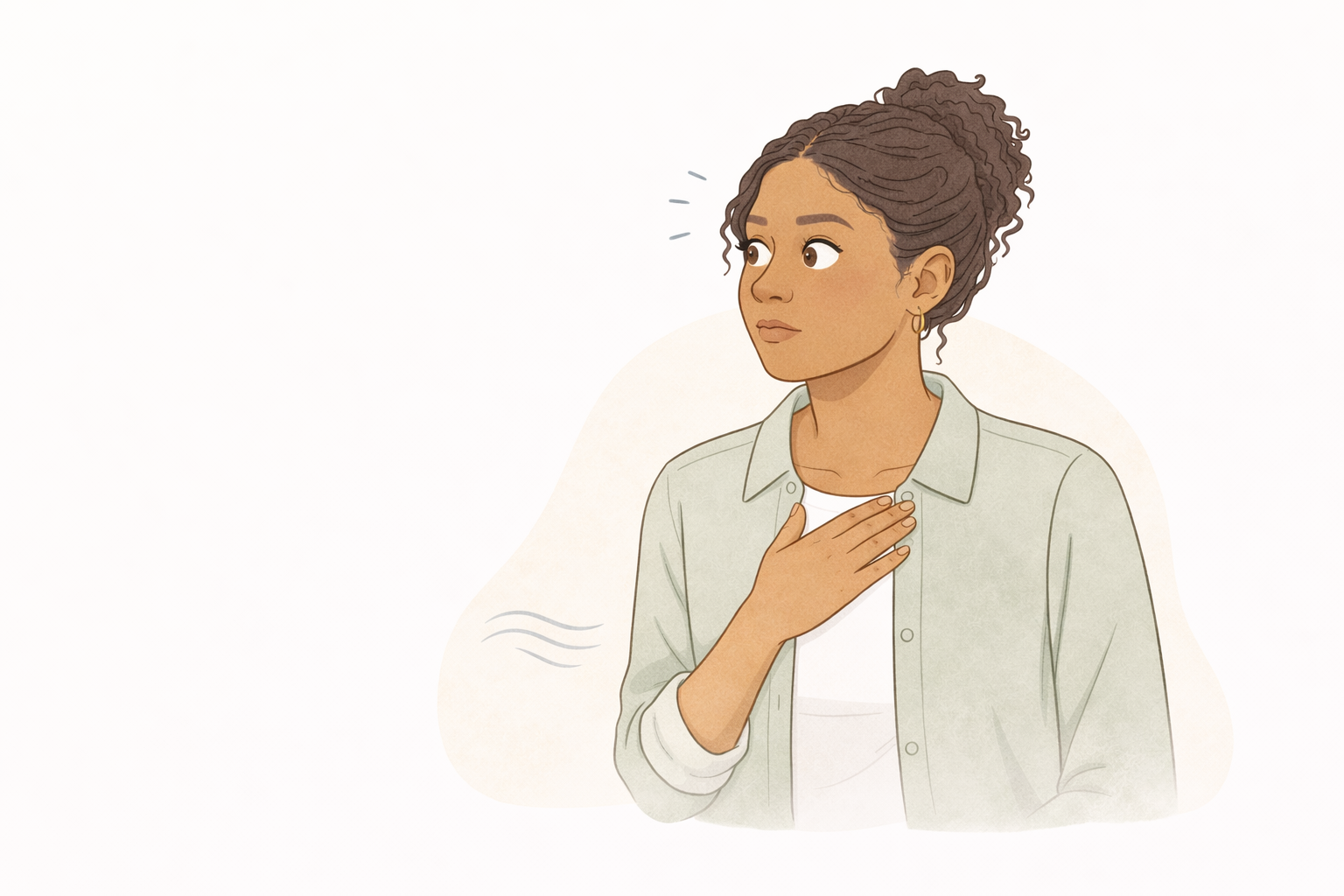
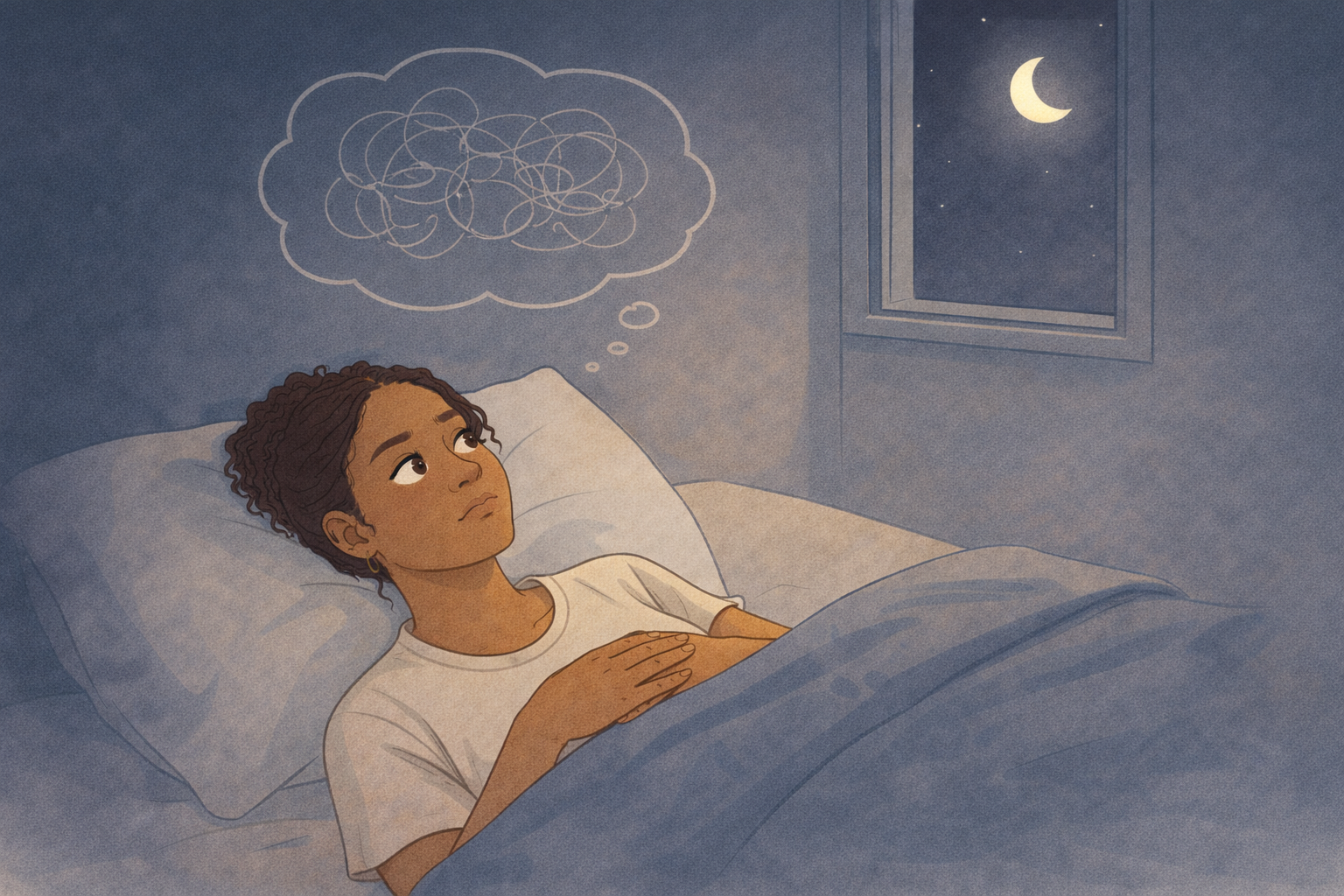
Hypervigilance is more than “worrying a lot.” It’s a nervous system state. Your body is acting like it needs to stay alert to stay safe. For some people, hypervigilance shows up as a tight chest, shallow breathing, jaw clenching, and racing thoughts. For others, it shows up as irritability, being easily startled, or feeling exhausted because your system never truly powers down. You might notice it most at night when things get quiet and your mind suddenly gets louder. Or you may notice it in relationships, where you analyze tone, facial expressions, and pauses, trying to figure out what people really mean.
A lot of people in hypervigilance look “high-functioning” from the outside. You get things done. You show up. You keep moving. But internally, it can feel like you’re bracing all the time. You may have a hard time resting without guilt, or you might feel uneasy when things are calm because calm feels unfamiliar. Some people also notice a cycle where they stay on edge for days, then crash into numbness or shutdown. That swing can be confusing, but it’s common when the nervous system has been working overtime.
If you’ve ever judged yourself for this, I want to pause and name what’s true. Hypervigilance is not a character flaw. It’s not you being dramatic, “too sensitive,” or incapable of handling life. Hypervigilance is often a sign that your nervous system has learned to protect you by staying alert. And while it can feel exhausting, it can also change. When your body learns safety again, it doesn’t have to stay on guard all the time.
Your body isn’t broken. It’s trying to protect you.
If you want the full survival mode framework, read: Stuck in Survival Mode? Why You Feel On Edge, Frozen, or Numb (Fight, Flight, Freeze, and Shutdown).
Hypervigilance is a survival mode strategy (flight response)
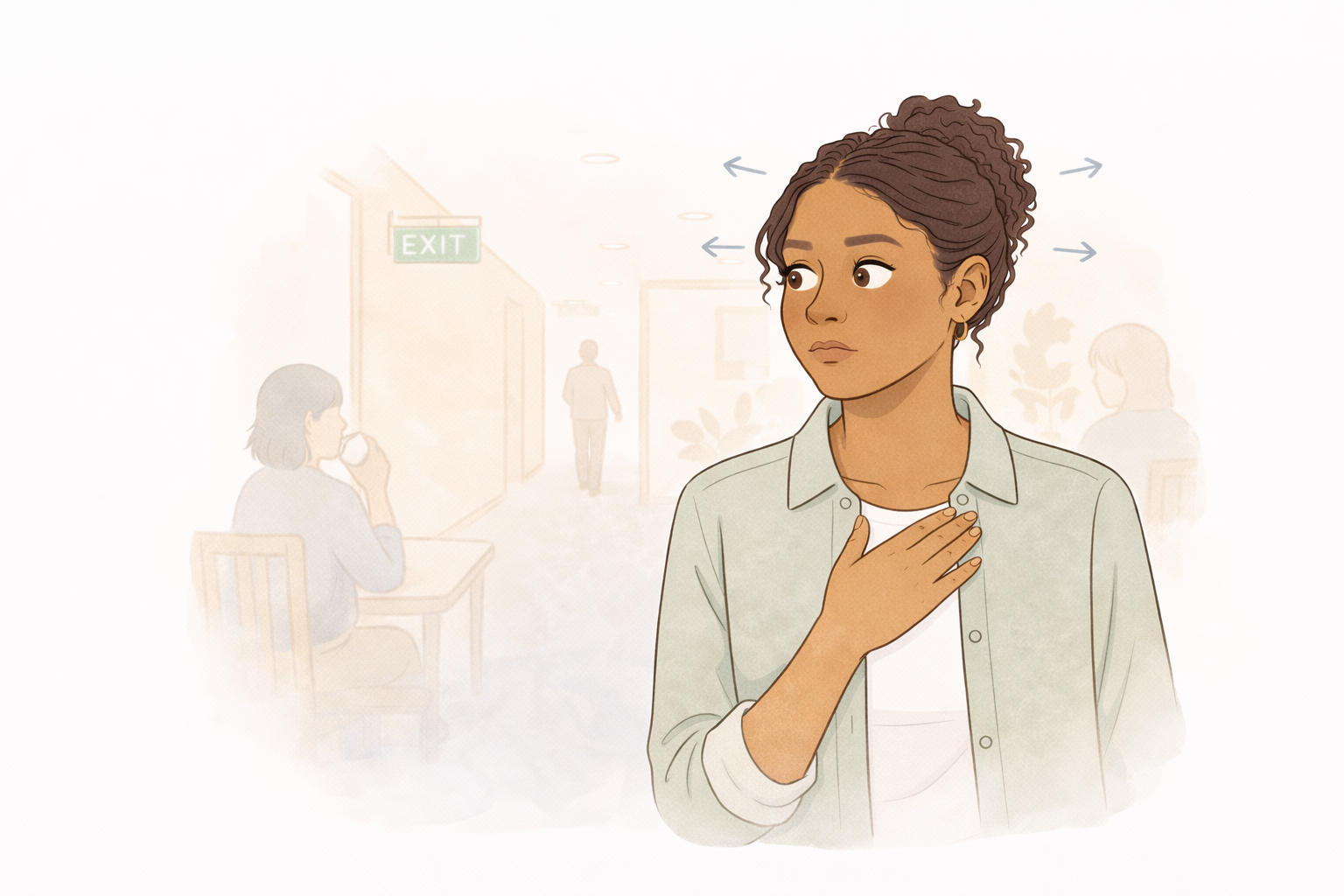
Hypervigilance often feels like your mind and body are working overtime to prevent danger. The important thing to know is that this is not “just overthinking.” Hypervigilance is usually a survival mode strategy, most closely connected to the flight side of the nervous system. Flight is not only about physically running away. It’s also about scanning, predicting, and trying to stay one step ahead so you can avoid being caught off guard.
A simple way to understand this is through the nervous system’s built-in “smoke alarm,” sometimes called neuroception. Neuroception is your body’s way of detecting safety or danger before you consciously think things through. Your nervous system is always taking in cues and asking, “Am I safe right now?” When it senses “not safe,” it shifts into protection. Hypervigilance is one way your nervous system protects you. It tries to keep you safe by constantly monitoring what could go wrong.
This scanning can happen through different channels. Sometimes it’s outside cues, like noise, crowds, movement, lighting, or feeling trapped in a space. Sometimes it’s between cues, like tone of voice, facial expressions, pauses, or emotional unpredictability. And sometimes it’s inside cues, like a racing heart, tight chest, nausea, or a sudden spike of adrenaline. When your system picks up “smoke” in any of these areas, it may push you into a state of alertness. That’s when you might start checking your surroundings, reading people closely, rehearsing conversations, or running through worst-case scenarios.
Hypervigilance is also why your body can react before your brain can explain it. You may notice tension, a surge of anxiety, or an urge to escape, and only afterward does your mind try to make sense of the feeling. The brain often fills in the blanks with danger predictions. “Something bad is going to happen.” “I need to be ready.” “I can’t relax or I’ll miss something.” Those thoughts can feel intense and believable, but they often come from a nervous system state, not from the full reality of the present moment.
If you’ve been living in hypervigilance for a long time, it can start to feel like your baseline. Your system learns, “Staying alert kept me safe,” and it keeps running that program even when life is calmer. The good news is that once you understand hypervigilance as a protective state, you can stop blaming yourself and start working with your nervous system in a more compassionate and effective way.
If hypervigilance often ends in numbness or disconnection, this page may help: Flashbacks, Triggers & Dissociation.
Why your nervous system stays on alert
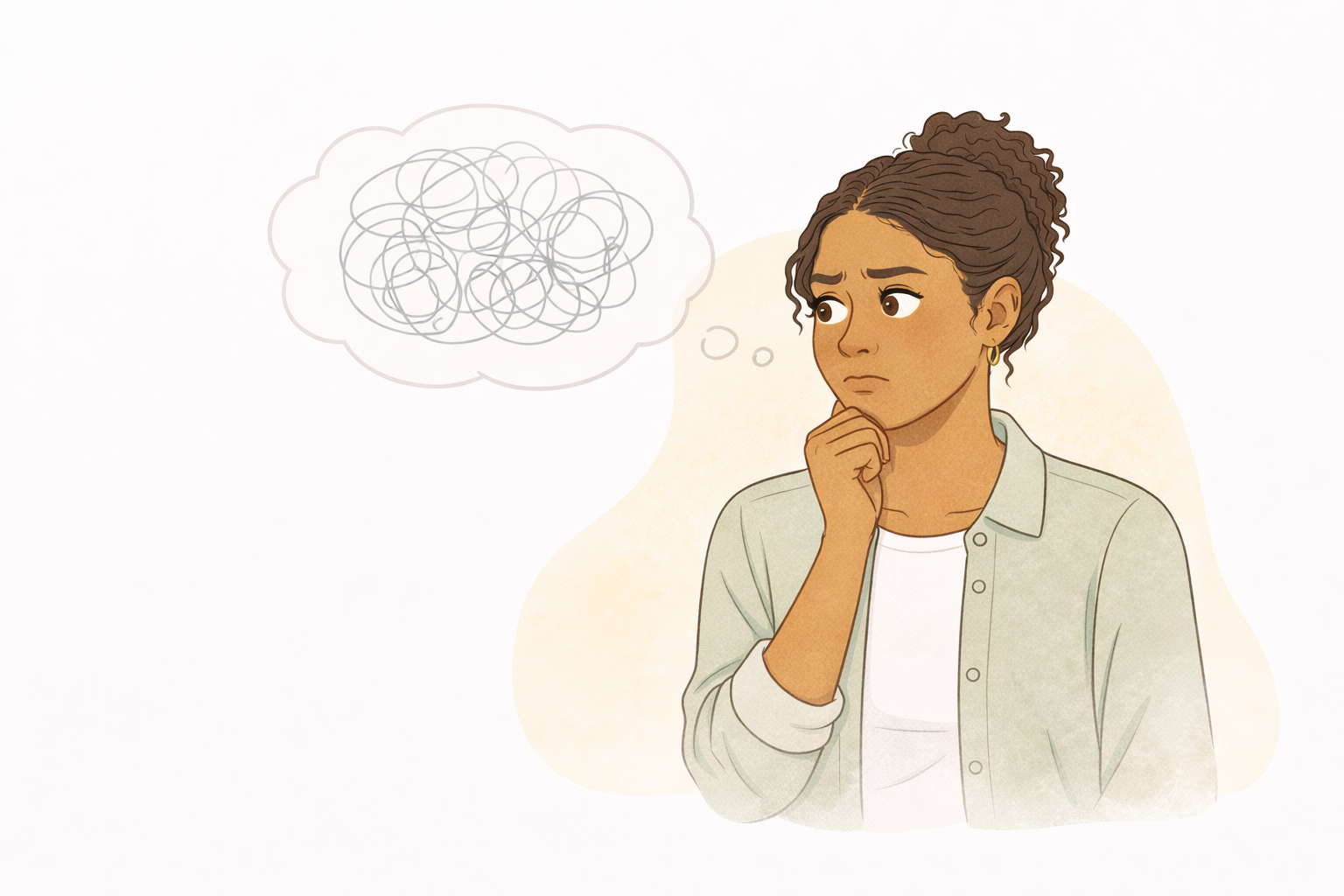
If you’ve been living with hypervigilance, you’ve probably asked yourself some version of: “Why can’t I just relax?” The answer is usually not a lack of willpower. Hypervigilance tends to develop because the nervous system learns through experience and repetition, not through logic. If your body learned at some point that the world was unpredictable, emotionally unsafe, or that you had to stay aware to prevent something bad from happening, it may keep running that protective strategy long after life becomes calmer.
This is also why hypervigilance can feel like a “false alarm” system. A sensitized nervous system often has a lower threshold for detecting danger. It would rather alert you too early than risk alerting you too late. That means smaller cues can set it off, even when there is no real threat. The alarm is real, but it’s not always accurate. Your racing thoughts and scanning are not proof that danger is present. They’re evidence that your nervous system is trying to keep you safe.
There are also everyday reasons hypervigilance can feel worse on some days than others. When your system is already depleted, it has less capacity to handle stimulation. Lack of sleep, accumulated stress, caffeine, hunger, hormonal shifts, and even being emotionally worn down can make your smoke alarm more sensitive. You might notice that after a few nights of poor sleep, your tolerance drops and you feel more reactive. Or after a stressful week, a small interaction feels huge in your body. That doesn’t mean you’re “backsliding.” It means your nervous system has less room, so it scans harder.
Hypervigilance also tends to create a self-reinforcing loop. Your body senses a cue (a sensation in your chest, a noise outside, a pause in someone’s tone). Then your mind tries to make meaning fast. “Something bad is going to happen.” “I need to be ready.” “I can’t let my guard down.” Those thoughts increase activation, which increases scanning, which increases more alarming thoughts. Over time, your nervous system can start to treat uncertainty itself as danger. That is why quiet moments, downtime, or even calm relationships can feel uncomfortable. Calm can feel unfamiliar when you’re used to bracing.
Finally, many people with hypervigilance notice a “crash” after being on edge for too long. If your system has been in flight for hours or days, it may eventually drop into shutdown, where you feel numb, foggy, disconnected, or exhausted. That swing can feel confusing, but it’s common. It’s the nervous system moving from mobilization to conservation when it’s overloaded.
The encouraging part is that hypervigilance is not permanent. It is a learned protective response. And with the right kind of support and repeated experiences of safety, your nervous system can recalibrate so it doesn’t have to scan for danger all the time.
How to calm hypervigilance in the moment (3-step reset)
When you’re in hypervigilance, your nervous system is trying to protect you by scanning for danger. The goal isn’t to shame the scanning or force yourself to “stop thinking.” The goal is to give your body evidence of safety so it doesn’t have to work so hard. A simple way to do that is a three-step reset using Context, Choice, and Connection. You can do this in under two minutes, and even one step can help.
Step 1: Context
What do I know is true right now?
Hypervigilance pulls you into future danger predictions. Context brings you back to the present moment.
Try this:
Name where you are: “I’m in my home” or “I’m in my car.”
Say the date or time: “It’s Sunday morning.”
Look around and name 3 things you can see.
Feel your feet on the floor or your back against the chair.
If your mind is racing, add a label:
“This is hypervigilance.”
“This is a smoke alarm moment.”
Script: “My body is having a smoke alarm moment. I’m safe enough right now.”
Step 2: Choice
What options do I have in this moment?
Hypervigilance often escalates when your body feels trapped in the scanning loop. Micro-choices restore agency and help your system settle.
Try one micro-choice:
Drink water or eat something small if you’re depleted.
Step outside for 60 seconds and feel the air.
Change your posture: stand up, stretch, shake out your hands.
Choose one small next step if you’re overwhelmed (not ten steps).
Set a timer: “I’m going to worry-plan for 5 minutes, then I’m done.”
This part matters because it sends your nervous system a message: “I have options. I’m not trapped.”
Script: “I don’t have to solve everything right now. I just need one next step.”
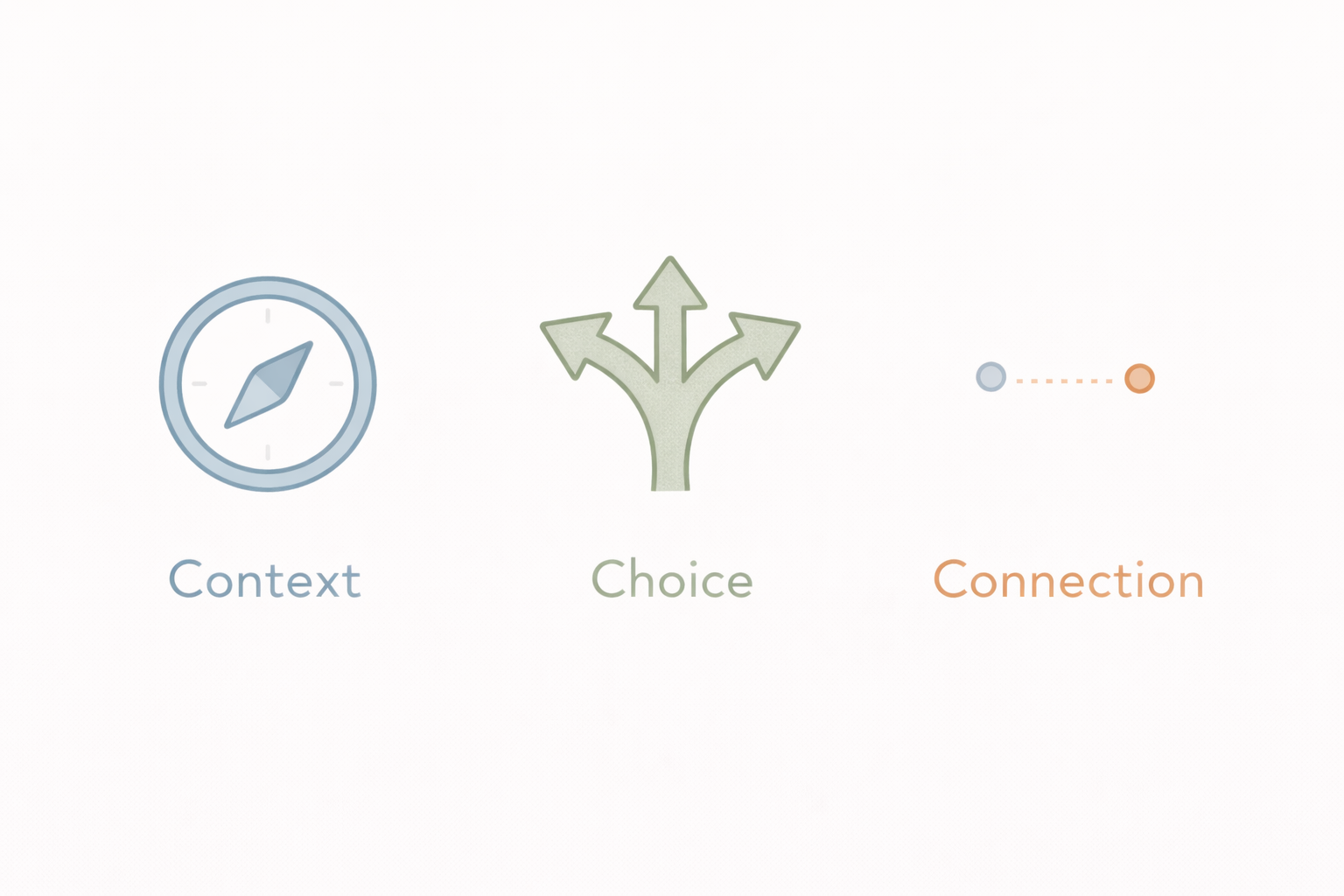
Step 3: Connection
Who helps my body feel safer?
Many nervous systems settle through co-regulation. Hypervigilance often decreases when you feel supported and not alone with the alarm.
Connection can look like:
Text one safe person: “Can you say hi? I’m having a hard moment.”
Call someone for two minutes just to hear a steady voice.
Sit near someone safe while you regulate (no deep talk required).
Listen to a grounding voice note you recorded when calm.
Bring this pattern into therapy so you’re not carrying it alone.
If you’re alone, you can still use connection by softening your gaze, placing a hand on your chest, and speaking to yourself in a steady tone.
Script: “Support helps my nervous system settle.”
A quick “hypervigilance interrupt” (use anytime)
If you want a one-line tool to stop the spiral, try:
“I don’t need to solve the whole future. I need to come back to this moment.”
Over time, these small resets teach your nervous system something new: you can notice the alarm without obeying it, and you can return to safety again.
If this resonates, you can begin here: Start Here: Stuck in Survival Mode.
When hypervigilance keeps running, therapy can help it update
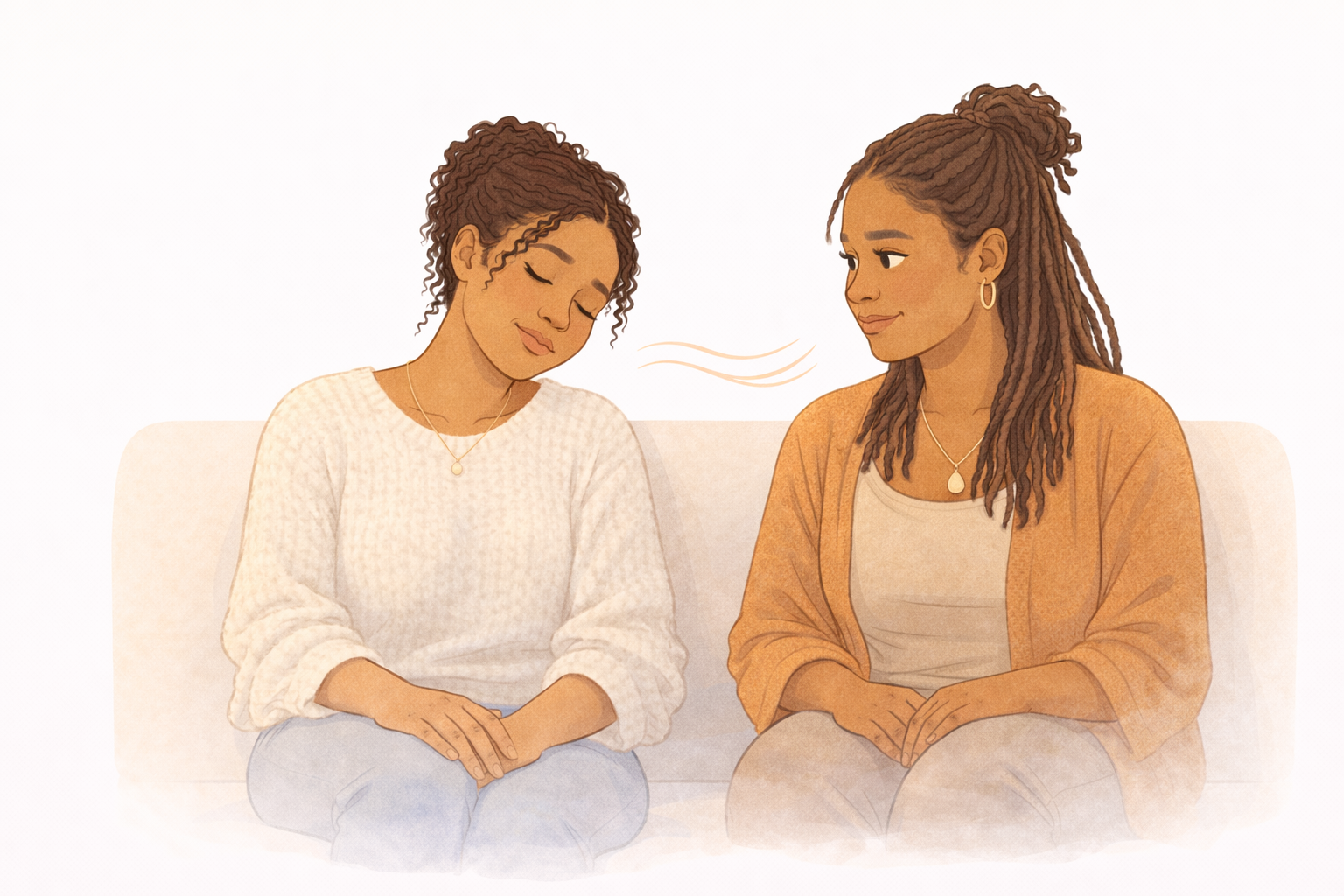
Sometimes the tools in this article are enough to help you settle in the moment. You orient to the room, take a breath, make one small choice, and your body comes down a notch. That matters. But many people also notice that even when they understand what’s happening, hypervigilance keeps coming back. If scanning, bracing, and overthinking feels like your default, it may be a sign that your nervous system needs more than in-the-moment coping. It may need deeper updating.
This is where trauma-informed therapy can help. The goal of therapy is not to erase memories or force you to “get over it.” The goal is to reduce the intensity of the alarm and increase your ability to feel safe in the present. Over time, therapy helps you understand what your hypervigilance is protecting you from, identify patterns and triggers, and build the kind of nervous system safety that lasts beyond a single moment. Many people begin to notice they recover faster after stress, sleep improves, their body feels less tense, and they have more access to calm without needing to control every variable.
You may benefit from support if hypervigilance is happening frequently, feels intense, or interferes with your life. Some signs include feeling unsafe for no reason, difficulty relaxing even at home, trouble sleeping, constant worry or checking behaviors, irritability, being easily startled, or crashing into numbness and shutdown after being on edge for too long. If your world feels smaller because you avoid certain places, people, or situations, that’s also meaningful information. You deserve support that helps your life feel bigger and safer again.
EMDR can be one option within trauma therapy when it is clinically appropriate. EMDR helps the brain and nervous system process stuck memories and patterns so the present stops feeling like the past. Many people find that as underlying experiences are processed, the nervous system becomes less reactive and scanning decreases over time. EMDR is not about forcing you to relive everything. It is paced carefully, grounded in safety, and guided by what feels manageable.
If what you read here resonated, you don’t have to figure this out alone. You can start with whichever next step feels most supportive right now:
If your nervous system feels like it’s constantly bracing, you can begin here: Start Here: Stuck in Survival Mode.
If you’re curious about EMDR and want to see if it’s a fit, visit: Online EMDR Therapy (CA).
If you would like to talk about what you’re experiencing and decide what kind of support fits best, you’re welcome to schedule a free consultation.
Your nervous system learned protection. It can learn safety too.
Frequently Asked Questions
What is hypervigilance?
Hypervigilance is a state where your nervous system stays on high alert. It can look like scanning for danger, feeling jumpy, overanalyzing situations, or having trouble relaxing even when life is calm.
Why am I on edge all the time?
Often it’s because your nervous system learned that staying alert helped you stay safe. Even if the danger is not present now, your body may still run that “stay ready” program, especially during stress, uncertainty, or after trauma.
Is hypervigilance anxiety or a trauma response?
It can be either, and sometimes both. Hypervigilance often overlaps with anxiety, but it can also be part of a trauma response where the body stays braced and scanning because it learned the world was unpredictable or unsafe.
Why is hypervigilance worse at night?
Night often removes distractions, which can make your nervous system louder. Darkness, quiet, and stillness can also feel vulnerable to a sensitized system, so your brain tries to stay alert by thinking, scanning, and planning.
Why do I replay conversations and analyze people’s tone?
When your nervous system is on alert, it looks for cues of safety and danger in relationships. Tone, facial expressions, pauses, and ambiguity can trigger scanning because your system is trying to prevent rejection, conflict, or surprise.
Why do I get irritated or snappy when I’m hypervigilant?
Hypervigilance is exhausting. When your body has been bracing for danger, small stressors can feel bigger and your patience can drop. Irritability can be a sign your nervous system is overloaded, not that you’re a bad person.
Why do I crash into numbness after being on edge?
Many people cycle from flight (hypervigilance, anxiety, urgency) into shutdown (numbness, fog, disconnection) when the nervous system gets overwhelmed. Shutdown can be your body’s way of conserving energy after too much activation.
What can I do in the moment when I feel hypervigilant?
Start small. Orient to the present (context), create one micro-choice (choice), and bring in support if possible (connection). Even one step can help your nervous system soften and return to the moment.
Can EMDR help with hypervigilance?
For many people, yes. EMDR can help process stuck memories and patterns that keep the nervous system scanning for danger. When the past feels less “alive” in the body, hypervigilance often decreases over time.
When should I consider therapy for hypervigilance?
If being on edge is frequent, intense, affects sleep, impacts relationships, or makes your world feel smaller, therapy can help. You deserve support that helps your body feel safer and more steady again.
