Why Do I Shut Down and Dissociate When I’m Overwhelmed? (Numbness, Shutdown, and Survival Mode)
If you go numb, blank, or disconnected when stress spikes, you’re not broken. Shutdown and dissociation can be nervous system protection responses.
When you shut down, go numb, or feel disconnected
Have you ever gotten overwhelmed and then suddenly felt like you disappeared? Maybe your mind goes blank, your body feels heavy, and you can’t access words or emotions the way you normally can. Some people describe it as feeling numb, foggy, or far away. Others say it feels like they’re watching themselves from the outside, or like the world becomes unreal. You might still be functioning on the outside, but internally you feel disconnected and flat. If this happens to you, you’re not broken. This can be a nervous system protection response.

Shutdown does not always look dramatic. Sometimes it looks like staring at your phone without absorbing anything, zoning out in a conversation, or realizing you read the same paragraph five times and nothing went in. Sometimes it shows up after conflict, criticism, or emotional intensity. You might want to speak, but you can’t find the words. Or you might suddenly feel like you don’t care, even though you do. Other times, it shows up as exhaustion, a desire to crawl into bed, or a strong urge to withdraw from everyone. You might cancel plans, avoid responding to messages, or isolate because being around people feels like too much.
A lot of people feel shame about this. They call themselves lazy, unmotivated, or “too much.” They might think, “Why can’t I handle life like everyone else?” But shutdown and dissociation are not character flaws. They are often signs your nervous system is trying to protect you from overwhelm. When your system decides something is too intense, too long-lasting, or there is no way out, it may shift into a lower-energy state to conserve and survive.
If any of this resonates, I want you to hear this clearly: you are not failing. Your body is responding the way it learned to respond. And with the right support, these patterns can soften.
Your body isn’t broken. It’s trying to protect you.
For the full survival mode framework, read: Stuck in Survival Mode? Why You Feel On Edge, Frozen, or Numb (Fight, Flight, Freeze, and Shutdown).
What shutdown and dissociation are (and why they happen)
Shutdown and dissociation are often misunderstood because they can look like “nothing is happening,” when internally your nervous system is doing something very protective. A simple way to think about shutdown is that it’s your nervous system’s power-save mode. When your system decides something feels too intense, too long-lasting, or inescapable, it may reduce energy, emotion, and connection in order to conserve and protect you.
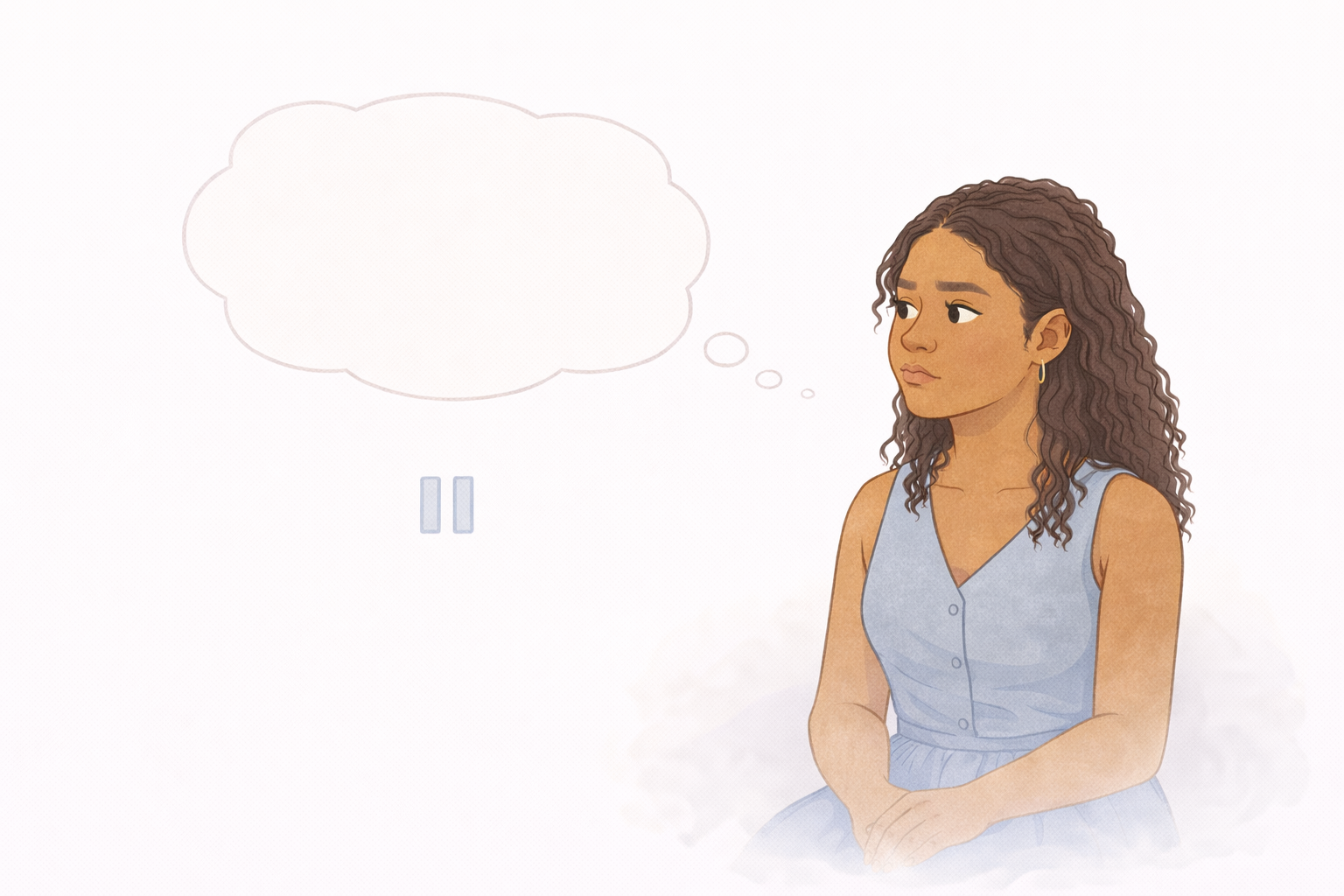
Dissociation is one way shutdown can show up. Dissociation often feels like disconnection from your body, your emotions, or your surroundings. Some people describe it as zoning out, spacing out, feeling far away, or feeling like the world doesn’t feel fully real. Others notice they lose time, struggle to focus, or feel like they’re watching themselves from the outside. Dissociation is not you being “crazy.” It’s often a nervous system strategy that helps you get through overwhelm by creating distance.
It can also help to understand that shutdown often happens after your nervous system has already tried other strategies. Many people cycle from fight or flight into shutdown. For example, you may start in anxiety, urgency, hypervigilance, or overthinking. Your body is mobilized and trying to manage the threat. But when that activation becomes too much or goes on too long, the nervous system may drop into shutdown. This is why some people go from anxious to numb. It is not random. It is your system shifting from mobilization to conservation.
Another important piece is that this can happen quickly, even when you logically know you are safe. Your nervous system has a built-in “smoke alarm” that scans for cues of danger and safety. When that alarm detects threat, your body can shift into a protective state before your thinking brain has time to catch up. That’s why shutdown can feel like it comes out of nowhere.
The goal is not to judge shutdown or dissociation. The goal is to recognize it, understand why it makes sense, and learn gentle ways to help your system come back to the present.
Why shutdown can happen even when you’re safe now
One of the most frustrating parts of shutdown and dissociation is how confusing it feels. You may look around and think, “Nothing bad is happening.” And yet your body feels heavy, numb, foggy, or disconnected. Many people blame themselves in those moments. They think they should be stronger, more motivated, or more emotionally available. But shutdown is not a weakness. It is often a learned protective response.

The nervous system learns through experience and repetition. If your body learned that certain situations were overwhelming, unsafe, or impossible to escape, it may have adapted by disconnecting. Over time, that pattern can become automatic. This is why you might shut down in situations that resemble past overwhelm, even if the current situation is not truly dangerous. You might shut down during conflict, during criticism, when someone’s tone changes, or when you feel trapped by expectations. You might also shut down when you’re under prolonged stress and your system simply runs out of capacity.
This is also why “false alarms” make sense. A sensitized nervous system often has a lower threshold for detecting danger. The alarm is real, but it’s not always accurate. Your body may respond as if there is threat even when the threat is not present. That does not mean you are broken. It means your nervous system is trying to prevent overwhelm the best way it knows how.
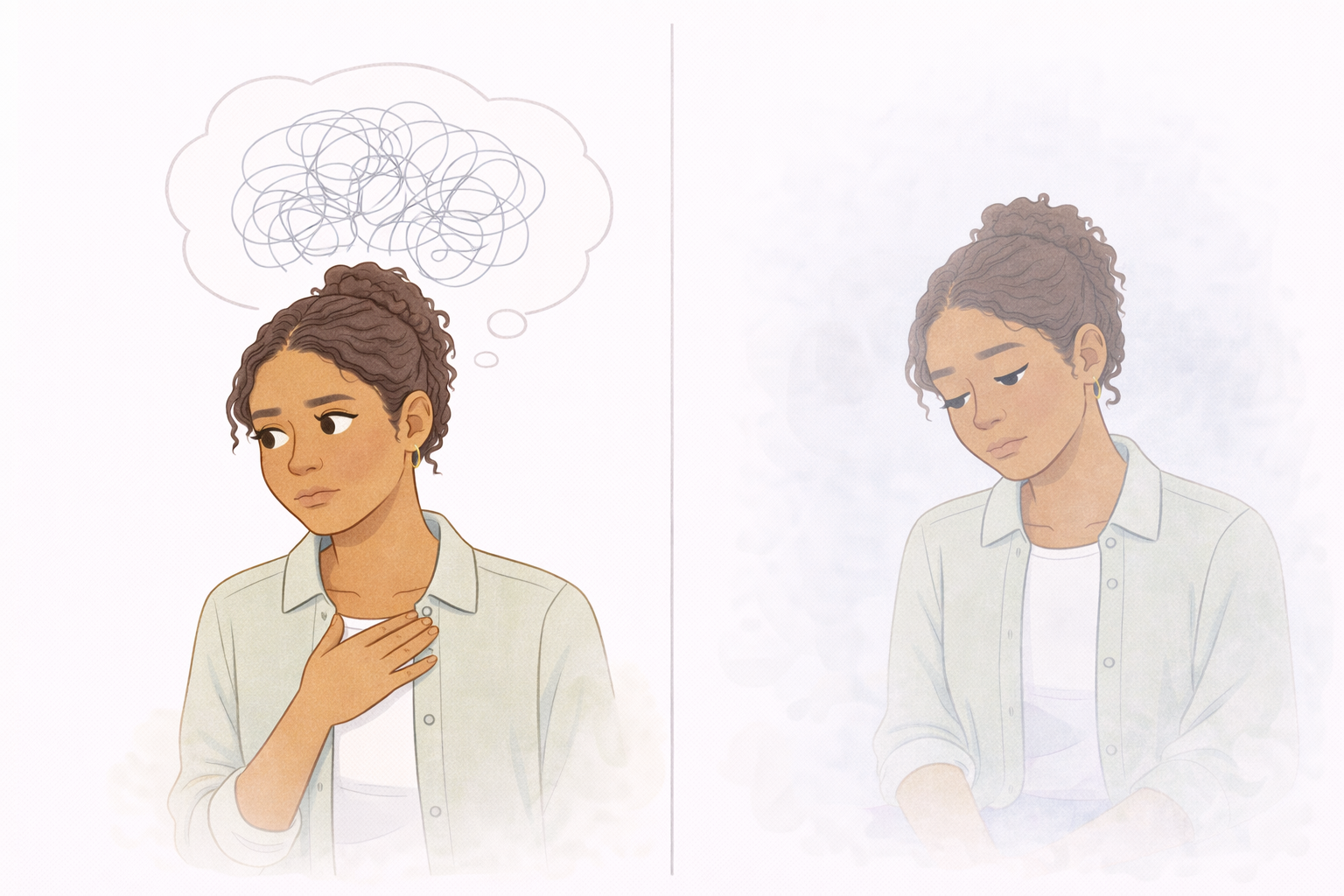
There are also everyday factors that make shutdown more likely. Lack of sleep, accumulated stress, hunger, illness, burnout, or too much stimulation can reduce your capacity. When capacity is low, it takes less to tip your system into shutdown. This is one reason people feel confused because they might tolerate the same situation one day and shut down the next. Your nervous system is responding to how resourced you are in the moment.
It can also help to understand that shutdown is often your body’s attempt to keep you going. If your system believes it cannot fight, flee, or fix the situation, it may conserve energy by powering down. That strategy may have helped you survive something in the past. And with the right support, it can soften over time.
How to come out of shutdown gently (3-step reset)
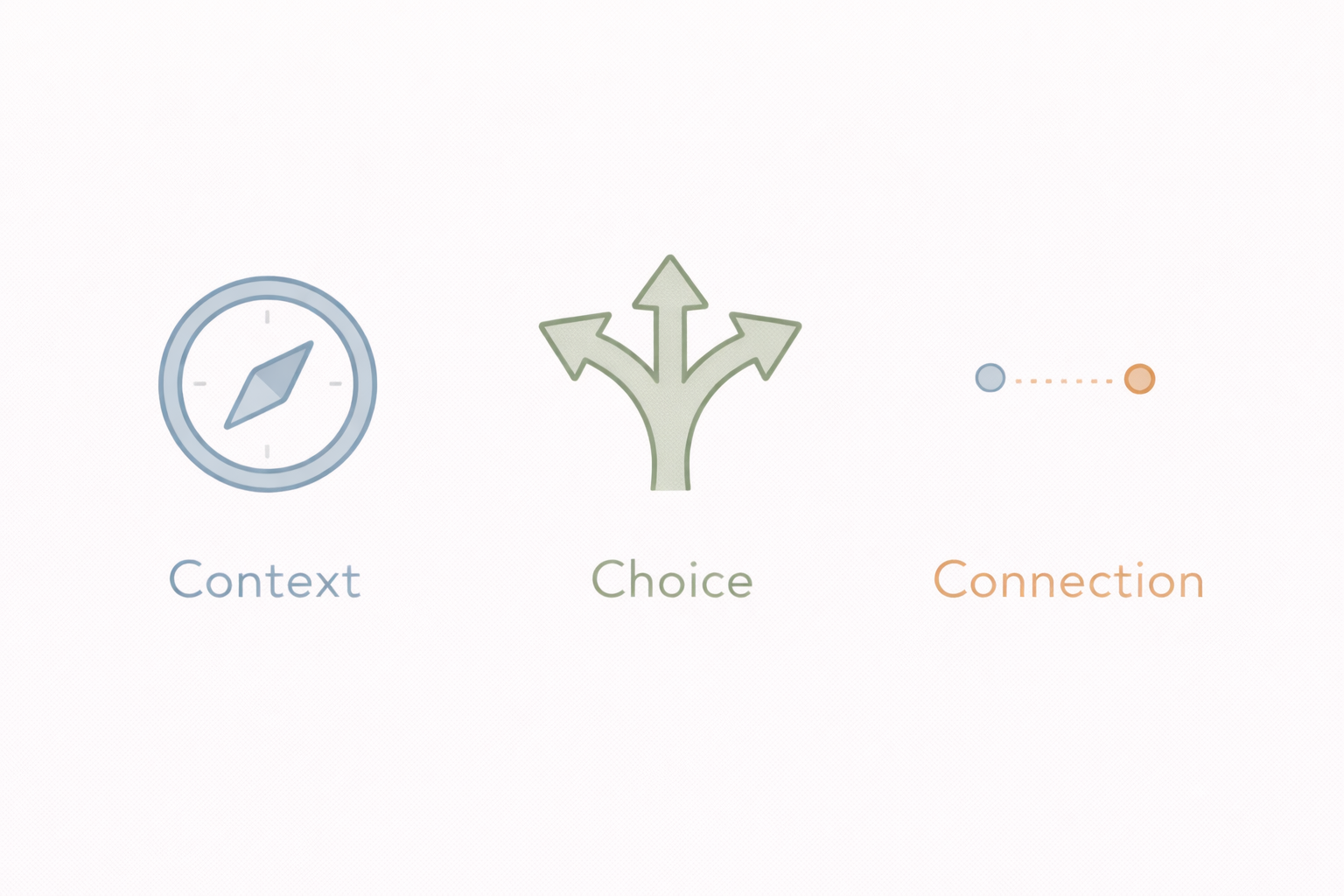
When you’re in shutdown, the key is gentle support, not forcing. Trying to “push through” often makes shutdown worse because your nervous system feels overwhelmed already. Instead, think of it as giving your body small signals of safety and capacity. A simple way to do that is through Context, Choice, and Connection.
Step 1: Context
What do I know is true right now?
Shutdown can make you feel far away from the present. Restoring context helps you orient without pressure.
Try:
Name where you are: “I’m in my room.”
Say the date or time: “It’s Wednesday afternoon.”
Look around and name 3 things you can see.
Add one gentle sensation: feel your feet on the floor or your hand on the chair.
Script: “My body is in shutdown. I’m safe enough right now.”
Step 2: Choice
What is one tiny option I have?
Shutdown responds best to small, doable choices. Think micro, not big.
Try:
Sip water.
Stand up and stretch for 10 seconds.
Step outside for 30–60 seconds.
Put on a warm sweater or hold a warm mug.
Set a 2-minute timer and do one tiny task (open the laptop, wash one dish, send one text).
Script: “Small steps count. I can do one tiny thing.”
Step 3: Connection
Who helps my body feel safer?
For shutdown and dissociation, connection is often the fastest regulator. Co-regulation can help your nervous system come back online.
Try:
Text someone safe: “I’m having a shutdown moment. Can you say hi?”
Call someone for two minutes just to hear a steady voice.
Sit near a safe person without needing to talk much.
Listen to a grounding voice note you recorded when calm.
Bring this pattern into therapy so you’re not carrying it alone.
Script: “Support helps my nervous system return.”
Putting it together (shutdown-friendly)
Context: “Where am I and what is true right now?”
Choice: “What is one tiny step I can take?”
Connection: “Who or what helps me feel steadier?”
Even if you only do one step, you’re teaching your nervous system that it can return to the present without being forced or shamed.
When shutdown keeps happening, therapy can help your nervous system update
Sometimes the tools above are enough to help you reorient and come back online. But many people notice that shutdown keeps happening in the same kinds of moments, especially around stress, conflict, emotional intensity, or prolonged overwhelm. If dissociation or numbness is frequent, intense, or interfering with your life, it may be a sign your nervous system needs deeper updating.

This is where trauma-informed therapy can help. The goal of therapy is not to erase your memories or force you to “get over it.” The goal is to reduce reactivity and increase felt safety, so your body doesn’t have to shut down as quickly. Over time, therapy helps you understand your patterns without shame, build capacity for stress, and develop more choice in moments where you used to disappear. Many people notice they can stay more present in conversations, recover faster after overwhelm, and feel less afraid of their own nervous system responses.
EMDR can be one option within trauma therapy when it is clinically appropriate. EMDR helps the brain and nervous system process stuck memories and patterns so the present stops feeling like the past. Many people find that as underlying experiences are processed, dissociation and shutdown become less intense and less frequent over time. EMDR is paced carefully, grounded in safety, and guided by what feels manageable.
If what you read here resonated, you don’t have to figure this out alone. You can start with whichever next step feels most supportive right now:
If this resonates, you can begin here: Start Here: Stuck in Survival Mode.
If survival mode for you looks like going blank, numb, or disconnected, visit: Flashbacks, Triggers & Dissociation.
To learn more about EMDR and see if it’s a fit, visit: Online EMDR Therapy (CA).
Your nervous system learned protection. It can learn safety too.
Schedule a free 15-minute consultation to briefly share what you’re experiencing, ask questions, and see what support might fit. This isn’t a commitment to therapy, just a short call to help you decide your next step.
Frequently Asked Questions
What is dissociation, and what does it feel like?
Dissociation is a nervous system protection response that creates distance from overwhelm. It can feel like zoning out, spacing out, feeling far away, feeling unreal, or like you’re watching yourself from the outside. Some people notice brain fog, losing track of what was said, or feeling disconnected from emotions or their body.
Why do I shut down and go numb when I’m overwhelmed?
Shutdown is often the nervous system’s “power-save mode.” When your body decides something feels too intense, too long-lasting, or inescapable, it may reduce energy and emotion to conserve and protect you. Numbness is not laziness or lack of caring. It’s often your system trying to keep you functioning.
Is shutdown the same as depression?
They can overlap, but they’re not always the same. Depression is a broader clinical experience that can include persistent low mood, loss of interest, and changes in sleep/appetite over time. Shutdown can be more state-based and situational, where numbness or fog shows up during overwhelm or triggers and then lifts when the nervous system feels safer.
Why do I go blank in conversations or during conflict?
Going blank can be a freeze or shutdown response. When your nervous system senses threat in a conversation (tone, criticism, conflict energy), it may reduce access to words and thinking to protect you. This can look like losing your train of thought, feeling unable to speak, or becoming overly agreeable just to end the tension.
Why do I feel disconnected from my body?
Dissociation can create distance from body sensations when your system expects overwhelm. You might notice numbness, lack of sensation, or feeling “not fully here.” Gentle grounding, orienting, and safe connection can help your system return to the present over time.
Why do I swing from anxious to numb?
This is a common pattern. Many people move from flight (anxiety, hypervigilance, urgency) into shutdown (numbness, fog, disconnection) when the nervous system gets overloaded. It’s not random. It’s your system shifting from mobilization to conservation.
What should I do when I notice dissociation starting?
Start gently. Use context (orient to where you are and what’s true now), make one micro-choice (sip water, stand up, step outside briefly), and add connection if possible (text a safe person or hear a steady voice). For many people, connection and gentle sensory grounding are the fastest supports.
Is dissociation a trauma response?
It can be. Dissociation is commonly associated with trauma and chronic stress, especially when the nervous system learned that disconnecting was safer than staying fully present. It can also show up with overwhelm even without identifying a specific trauma, because it’s ultimately a nervous system strategy.
Can EMDR help with dissociation and shutdown?
For many people, yes, when it’s clinically appropriate and paced carefully. EMDR can help process stuck memories and patterns that keep the nervous system reacting as if the past is still happening. Most importantly, the work is paced with stabilization so your system feels safe enough to stay present.
When should I consider therapy for shutdown or dissociation?
If shutdown or dissociation is frequent, intense, affects your relationships or work, or makes your world smaller, therapy can help. You deserve support that helps you feel safer in your body and more present in your life again.
