Why Do I Freeze During Conflict? (Freeze Response, Going Blank, and Survival Mode)
If you go quiet, lose your words, or feel stuck during conflict, you’re not broken. The freeze response is a nervous system protection state, and it can soften over time.
When you freeze during conflict and go blank
Have you ever been in a disagreement and suddenly couldn’t access your words? Maybe your mind goes blank, your throat tightens, and you feel yourself shutting down or going quiet. You might want to speak, but nothing comes out. Or you might hear yourself agreeing, apologizing, or trying to keep the peace even when you don’t actually feel okay. Later, when you’re alone, you can suddenly think clearly again. You replay the conversation and think of all the things you wish you had said. That pattern can feel confusing and even humiliating, especially if you’re someone who is usually articulate.
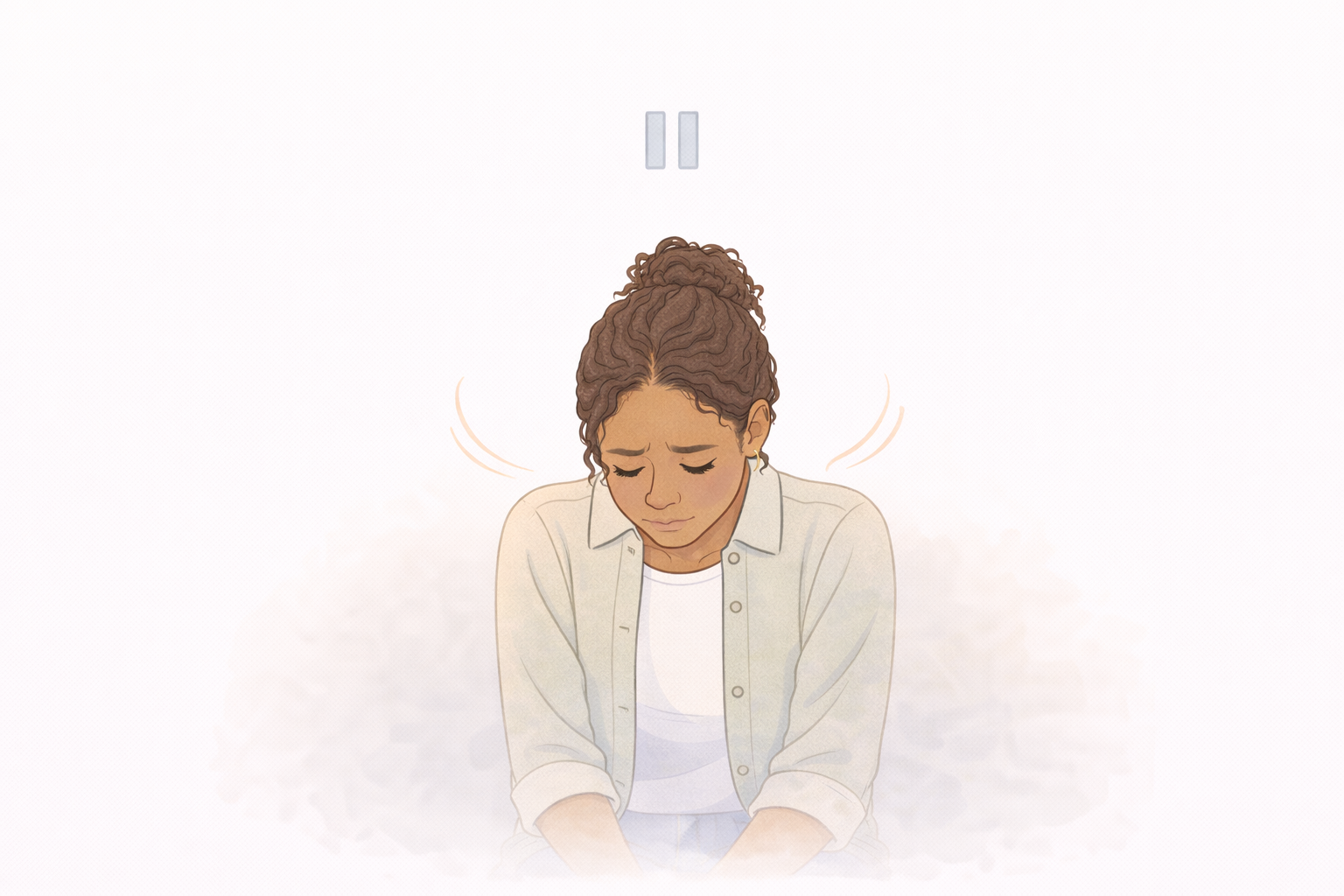
This is a common experience, and it often has a nervous system explanation. For many people, conflict activates a protective response. Your body may interpret raised voices, criticism, tension, or unpredictable emotion as danger. When that happens, it can feel like your brain and body stop cooperating. Your thoughts get scrambled. Your memory drops. You may feel stuck in place, tense, or frozen. Some people describe it as feeling like a deer in headlights. Others describe it as “I disappear” or “I become a child again” even if the conflict is not extreme.
Freezing can also look different depending on the person. You might go silent. You might people-please. You might laugh nervously. You might dissociate slightly and lose track of what’s being said. You might feel like you’re outside your body watching it happen. And often, the more you judge yourself in that moment, the harder it becomes to come back online.
If you’ve ever blamed yourself for freezing, I want you to hear this clearly. This response is not proof that you’re weak or broken. It is often proof that your nervous system is trying to protect you the best way it knows how.
Your body isn’t broken. It’s trying to protect you.
What the freeze response is (and why it happens)
For the full survival mode framework, read: Stuck in Survival Mode? Why You Feel On Edge, Frozen, or Numb (Fight, Flight, Freeze, and Shutdown).
Freezing during conflict is one of the most misunderstood survival responses because from the outside it can look like you’re “not responding” or “not communicating.” But inside, your nervous system is doing something very protective. The freeze response happens when your body senses threat and mobilization begins, but your system also feels like fighting or fleeing isn’t possible or safe. In other words, your nervous system gets caught between “I need to do something” and “I can’t.” That can create the feeling of being stuck, blank, or locked up.
A lot of people describe freeze as their mind going empty. You may lose access to words. You might forget what you were going to say mid-sentence. You may struggle to think clearly or make decisions. This isn’t because you’re unintelligent. It’s because when the nervous system detects threat, the brain prioritizes survival. The body moves resources toward protection, and higher-level thinking can go offline temporarily. That’s why you can think clearly later, but not in the moment.
Freeze often shows up around conflict because conflict includes cues that the nervous system can interpret as danger. Raised voices, tense facial expressions, criticism, unpredictability, or even silence can activate the nervous system’s “smoke alarm,” sometimes called neuroception. Neuroception is your body’s automatic safety-detection system. It scans for cues of safety and danger before your thinking brain catches up. So even if your logical mind knows you’re not in real danger, your body may respond as if you are.
This is also why freeze can come with both tension and immobility at the same time. Your heart may race, your chest may tighten, and you may feel a surge of adrenaline, but you also can’t move or speak the way you want to. Some people freeze and go silent. Others freeze and people-please. Others freeze and dissociate slightly, becoming foggy or far away. These are all variations of the same nervous system goal: survive the moment.
The most important takeaway is this: freeze is not a choice you’re making to be difficult. It’s a protective response your body learned. Once you understand that, you can stop blaming yourself and start working with your nervous system more effectively.
Why it can happen even when the conflict is “small”
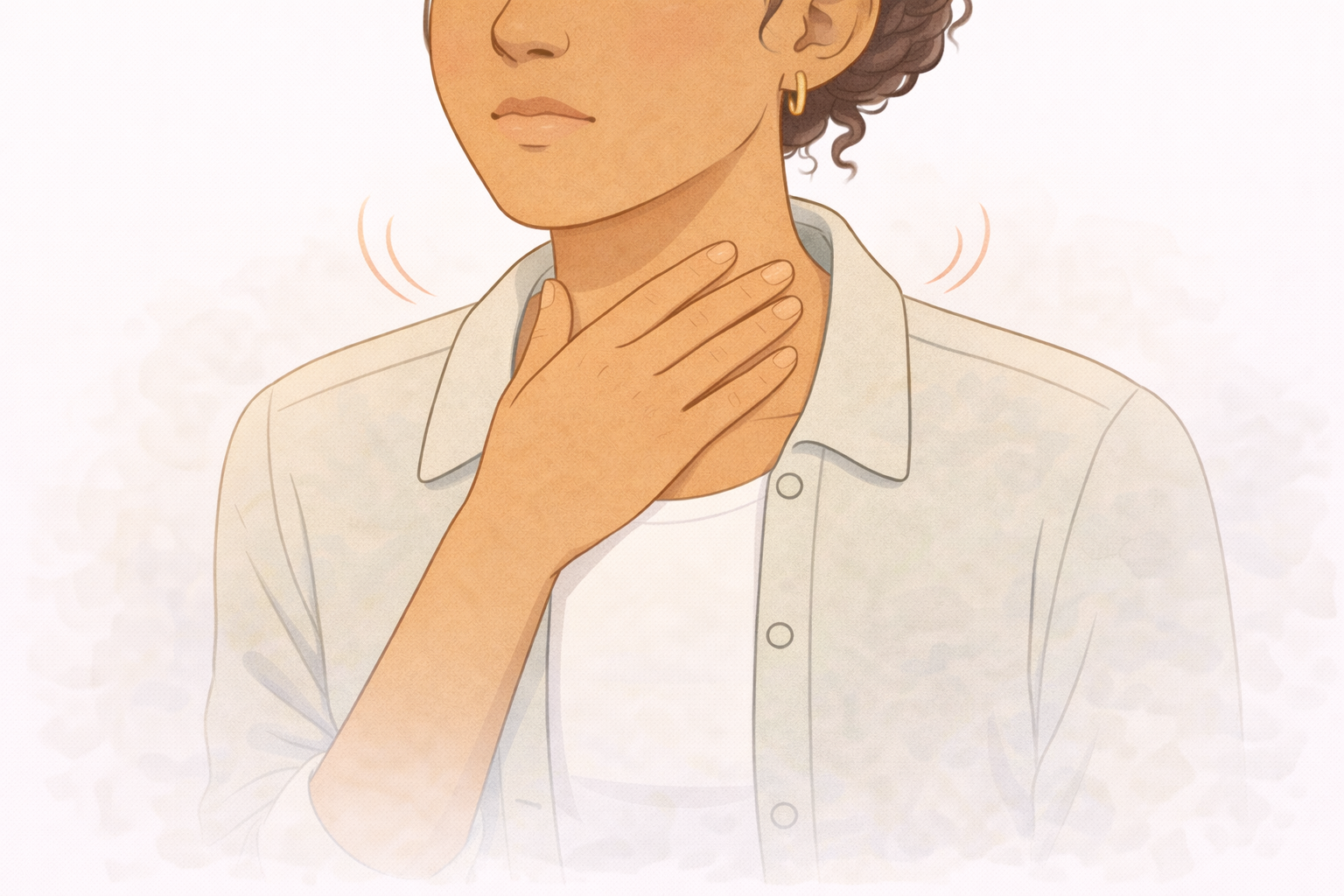
One of the most confusing parts of freezing is that it doesn’t always happen during “big” conflict. Sometimes it happens in a mild disagreement, a disappointed tone, a tense pause, or a simple conversation where you sense someone’s irritation. You may even think, “This isn’t a big deal, why am I reacting like this?” The answer is usually not weakness. The answer is nervous system learning.
The nervous system learns through experience and repetition. If your body learned at any point that conflict led to danger, rejection, punishment, or emotional chaos, it may start treating conflict cues as “smoke” now. Even subtle cues can activate the alarm. A raised eyebrow, a sharp exhale, a shift in tone, or someone speaking quickly can be enough. Your nervous system is not analyzing fairness. It’s scanning for safety.
This is also why false alarms make sense. If your system has become sensitized through trauma or chronic stress, the threshold for detecting danger can become lower. Your body would rather alert you too early than too late. The alarm is real, but it’s not always accurate. You can be in a safe relationship and still have a freeze response, because your nervous system is responding to old pattern associations, not to the full context of the present.
Freeze can also be more likely when your capacity is low. Lack of sleep, hunger, hormonal shifts, caffeine, accumulated stress, or burnout can make your nervous system more reactive. When you’re already depleted, it takes less to tip your system into freeze. This is one reason you might handle conflict well one day and freeze the next. It’s not inconsistency. It’s capacity.
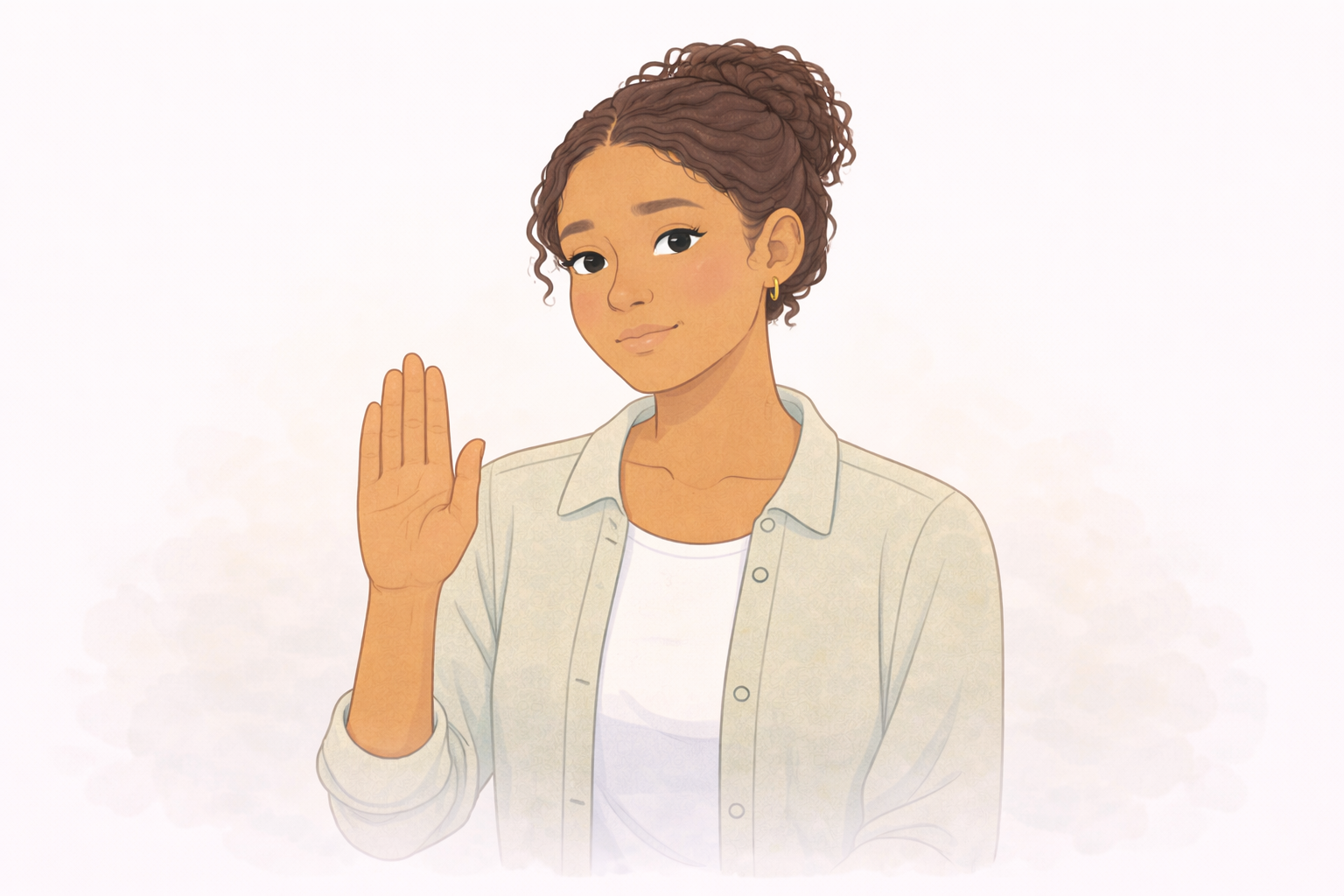
Another pattern that can add confusion is what happens after the conflict ends. Many people regain clarity later and suddenly think of everything they wanted to say. That’s because once your nervous system starts moving back toward safety, your thinking brain comes back online. The words return. The logic returns. The self-trust returns. That delayed clarity is one of the biggest clues that you were in a nervous system state during the conflict, not in a “true reflection” of your capability.
The good news is that freezing is not permanent. It’s a learned protective strategy. And when you understand why it happens, you can begin to create more context, more choice, and more connection during conflict, which helps the nervous system feel safer.
What to do in the moment when you freeze (3-step reset)
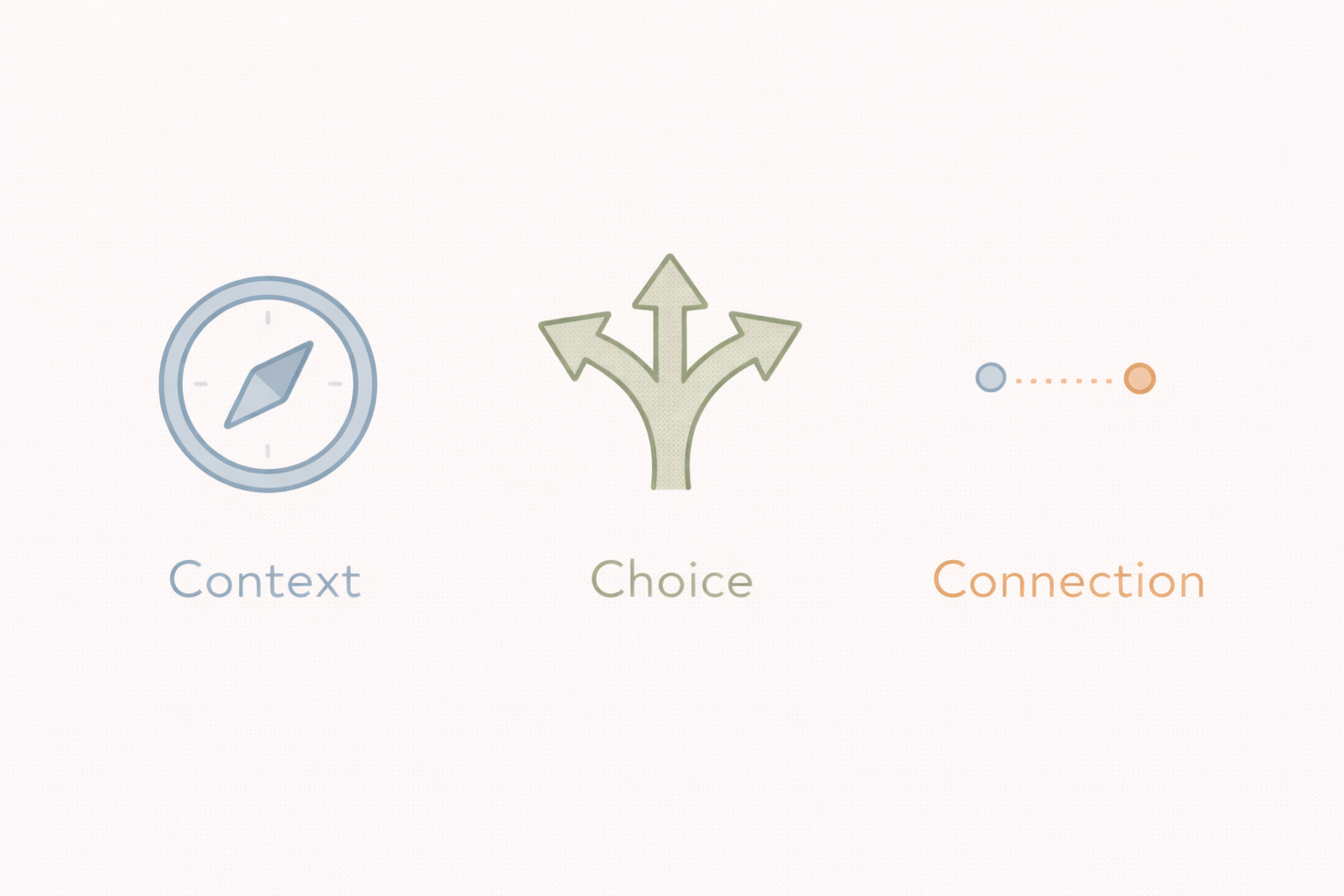
When you notice freeze coming on, the goal is not to force yourself to push through or suddenly become articulate. The goal is to help your nervous system feel safe enough to come back online. A three-step reset using Context, Choice, and Connection can help you do that without shaming yourself.
Step 1: Context
What do I know is true right now?
Freeze makes the moment feel urgent and dangerous. Context brings you back to the present.
Try:
Feel your feet on the floor and notice the support beneath you.
Look around and name 3 neutral details in the room.
Remind yourself: “This is a conversation. I am here. I am safe enough right now.”
Name the state gently:
“This is freeze.”
“My body is having a smoke alarm moment.”
Script: “My body is freezing right now. I’m safe enough in this moment.”
Step 2: Choice
What is one option I have right now?
Freeze often intensifies when you feel pressured to respond immediately. Choice gives your nervous system an exit ramp.
Micro-choices:
“I want to respond, and I need a moment.”
“Can we slow down?”
“I’m feeling overwhelmed. Can we pause for 10 minutes and come back?”
“I’m going to take a breath and then I’ll answer.”
If you’re in a relationship, you can also request a specific change:
“Can you soften your tone?”
“Can we take this one point at a time?”
Script: “I want to continue, and I need a 10-minute pause.”
Step 3: Connection
What helps my body feel safe in connection?
Freeze can soften quickly with co-regulation. That might be a calm voice, slower pace, warmth, or a safe person.
Connection options:
Make eye contact only if it feels safe (or soften your gaze).
Slow your exhale and lower your shoulders.
Place a hand on your chest or abdomen.
If possible, ask for support: “Can you slow down with me?”
After the interaction, connect with a safe person or therapist.
Script: “I don’t have to do this perfectly. I can go slow.”
Putting it together
Context: “Where am I and what’s true right now?”
Choice: “What’s one small option I have?”
Connection: “What would help my body feel safer while I’m here?”
Even one step can reduce intensity. The goal is not to eliminate all activation. The goal is to create enough safety that your voice can return.
When freezing keeps happening, therapy can help your nervous system update
Sometimes these tools are enough to help you stay present in conflict. You notice the freeze, you ask for a pause, you orient to the room, and your body comes back online. That matters. But many people also notice that freezing is persistent and shows up automatically in the same kinds of moments. If conflict consistently causes you to go blank, lose your voice, or abandon your needs, therapy can help your nervous system update that pattern.
Trauma-informed therapy is not about forcing you into confrontation. It’s about helping your nervous system learn that conflict and emotion can be survivable. Over time, therapy can help you understand what your freeze response is protecting you from, increase your capacity for intensity, and build boundaries that you can access even when you’re activated. Many people notice they recover faster after conflict, can stay more present in difficult conversations, and feel more self-trust in relationships.
If freezing includes numbness, spacing out, or disconnection, that may overlap with dissociation. That’s common, and it’s treatable. You deserve support that helps you stay connected to yourself even when things feel tense.
EMDR can be one option within trauma therapy when it is clinically appropriate. EMDR helps the brain and nervous system process stuck memories and patterns so the present stops feeling like the past. Many people find that as underlying experiences are processed, the nervous system becomes less reactive, and the freeze response softens over time. The work is paced carefully, grounded in safety, and guided by what feels manageable.
If this resonates, you can begin here: Start Here: Stuck in Survival Mode.
If survival mode for you looks like going blank, numb, or disconnected, visit: Flashbacks, Triggers & Dissociation.
To learn more about EMDR and see if it’s a fit, visit: Online EMDR Therapy (CA).
Your nervous system learned protection. It can learn safety too.
Schedule a free 15-minute consultation to briefly share what you’re experiencing, ask questions, and see what support might fit. This isn’t a commitment to therapy, just a short call to help you decide your next step.
Frequently Asked Questions
Why do I go blank during conflict?
Going blank is often a freeze response. When your nervous system senses threat, it prioritizes survival over speech and higher-level thinking. That can make it hard to access words, memory, or clear reasoning in the moment. It isn’t weakness or lack of communication skills. It’s your body trying to protect you.
Is freezing the same as dissociation?
They can overlap, but they’re not always the same. Freeze often feels like being stuck, tense, and unable to speak or move, while dissociation often feels like spacing out, feeling far away, foggy, or unreal. Some people freeze and dissociate at the same time, especially if the nervous system feels overwhelmed and begins to shut down.
Why do I think clearly after the argument but not during?
Because your nervous system state changes. During conflict, your body may move into survival mode, and your thinking brain can go partially offline. After the argument, when your system returns closer to safety, your brain comes back online and you can access clarity, language, and perspective again. That “after clarity” is a strong sign this was nervous system activation, not a lack of ability.
How do I stop freezing and speak up?
The goal isn’t to force yourself to speak through freeze. The goal is to help your nervous system feel safe enough to come back online. Start with one small step: slow your exhale, feel your feet, and name what’s happening. Then use a micro-boundary like, “I need a moment.” Over time, practicing in low-stakes moments and working in therapy can help you build more capacity to stay present and access your voice.
What should I say when I need a pause?
Here are a few options you can use exactly as written:
“I want to continue, and I need a 10-minute pause.”
“I’m getting overwhelmed. Can we slow down?”
“I’m having trouble finding words. Give me a moment.”
“I care about this conversation. I need a short break so I can stay present.”
If the other person pushes, repeat the same sentence calmly. Consistency helps your nervous system feel safer.
Is freezing a trauma response?
It can be. Freeze is a common survival response in people with trauma histories or chronic stress, especially if the nervous system learned that speaking up wasn’t safe or didn’t help. Freeze can also happen without identifying a specific trauma, because it’s ultimately the body’s way of protecting you when it senses threat and doesn’t see a safe way to fight or flee.
Can EMDR help with the freeze response?
For many people, yes, when it’s clinically appropriate and paced carefully. EMDR can help process stuck memories and patterns that keep the nervous system responding as if danger is still present. Many people notice that as underlying experiences are processed, conflict becomes less activating and the freeze response softens over time.
How can my partner support me when I freeze?
The most helpful support usually looks like slowing down and reducing intensity. Partners can help by:
lowering their voice and softening tone
giving space for a pause without pressuring for immediate answers
asking one question at a time
staying curious instead of critical (“What’s happening for you right now?”)
agreeing on a reset plan (like a 10-minute break and return time)
If you’re comfortable, you can tell your partner: “When I freeze, it helps if we slow down and take a short pause so I can come back online.”
