Why Do I Swing From Anxious to Numb? (The Flight → Shutdown Cycle)
If you go from racing thoughts and hypervigilance to feeling foggy, numb, or disconnected, you’re not broken. This is a common nervous system pattern that can change.
When you swing from anxious to numb

Do you ever notice a pattern where you start out anxious, on edge, or hyperaware, and then later you crash into numbness? Maybe your mind is racing in the morning, you’re scanning and overthinking, and your body feels wired. Then after a few hours or a few days of that, something shifts. You feel foggy, flat, disconnected, or like you can’t access emotion the way you usually can. Some people describe it as going from “too much” to “nothing.” That swing can feel confusing, especially if you don’t understand why it’s happening.
Many people blame themselves for this pattern. They assume it means they’re unstable, inconsistent, or “not handling life well.” But this cycle is often a nervous system pattern. Your body can’t stay in high alert forever. Hypervigilance and anxiety take a lot of energy. When your system has been mobilized for too long, it may drop into shutdown to conserve and protect you. In other words, numbness is not always a lack of caring. It can be your nervous system trying to keep you going when it’s overloaded.
This is especially common for high-functioning people. From the outside, you may still be working, parenting, showing up, and getting things done. But internally, you might feel like you’re bracing all the time, until you suddenly can’t. You might cancel plans, withdraw, scroll, zone out, or feel like you “disappear.” You may also notice shame thoughts like “Why can’t I just relax?” or “What’s wrong with me?” If those thoughts show up, it makes sense. This pattern is exhausting.
If this resonates, I want you to hear this clearly: this swing is not proof you’re broken. It’s often proof your nervous system has been working very hard to protect you.
Your body isn’t broken. It’s trying to protect you.
For the full survival mode framework, read: Stuck in Survival Mode? Why You Feel On Edge, Frozen, or Numb (Fight, Flight, Freeze, and Shutdown).
What the flight → shutdown cycle is (nervous system explanation)
The flight → shutdown cycle is one of the most common nervous system patterns, especially for people who live with chronic stress or trauma responses. It can look like this: your body goes into flight first, then later drops into shutdown.
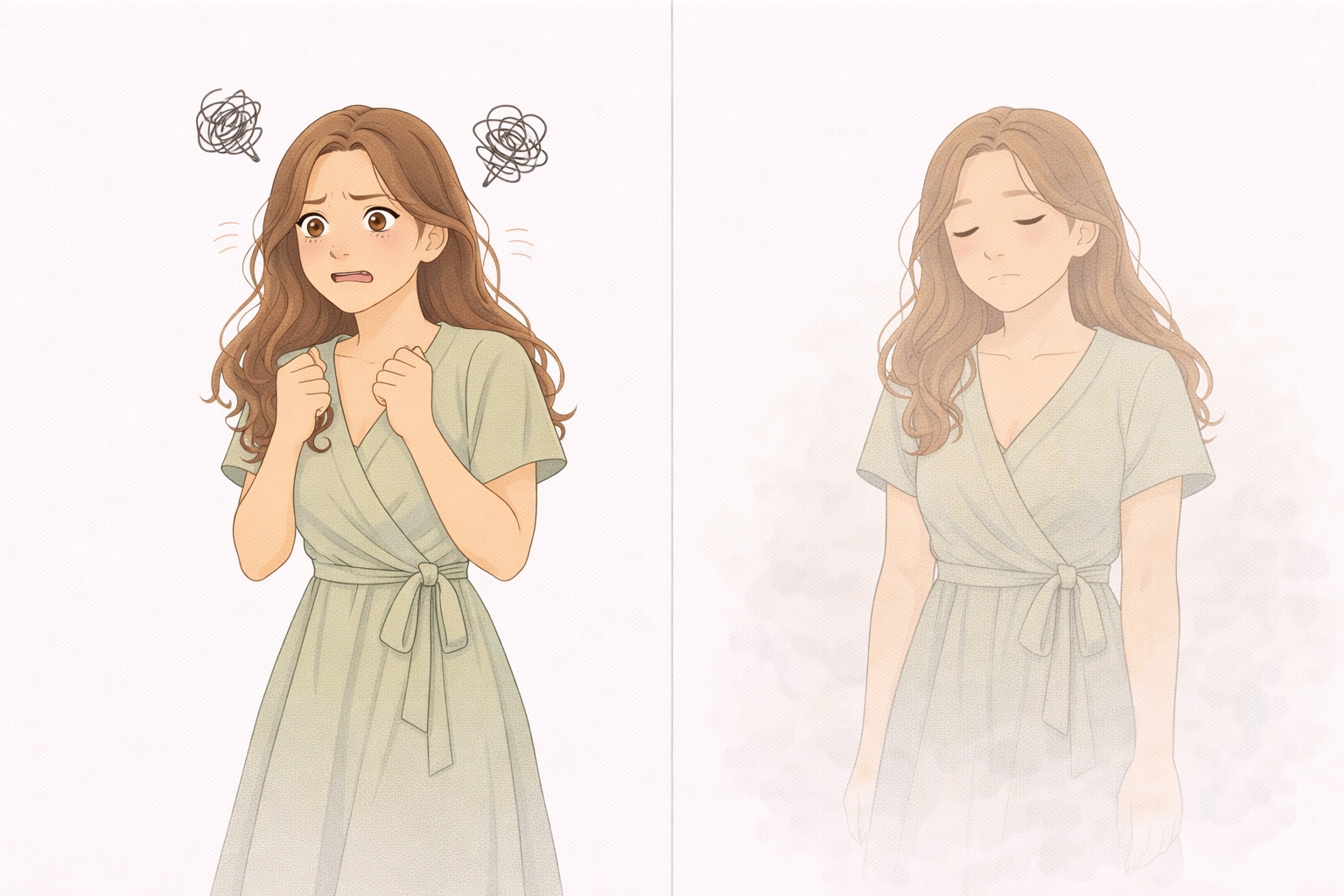
Flight is a mobilized survival mode state. It’s your system trying to create safety by moving, scanning, planning, preventing, and staying one step ahead. Flight can show up as anxiety, hypervigilance, racing thoughts, overthinking, urgency, and a sense of “I need to handle this now.” Even if nothing is happening in the present, your nervous system is acting like danger could appear at any moment, so it keeps you alert.
But the nervous system can’t stay in high alert forever. Flight takes a lot of energy. When your system has been mobilized for too long, or when the stress feels too intense, your body may shift into shutdown. Shutdown is a lower-energy protective state. Instead of mobilizing to prevent danger, the nervous system conserves resources by reducing emotion, sensation, and engagement. This can show up as numbness, fog, fatigue, withdrawal, and dissociation. It can feel like you went from “too much” to “nothing,” and it often happens after the nervous system hits its limit.
A helpful way to picture this is that your nervous system is trying to protect you in the most effective way it can. First it tries flight: “Stay alert and prevent danger.” If that doesn’t work, or the stress keeps building, it may switch strategies: “Conserve energy, disconnect, and get through this.” Neither state is a failure. They are different forms of protection.
It can also help to remember that your nervous system has a fast “smoke alarm” that scans for safety and danger before you consciously think. When that alarm detects “smoke,” it can shift you into flight automatically. And if that alarm stays active too long, your system may drop into shutdown to avoid overload. That is why the cycle can feel automatic, confusing, and hard to stop with logic alone.
Why it happens and why it feels unpredictable
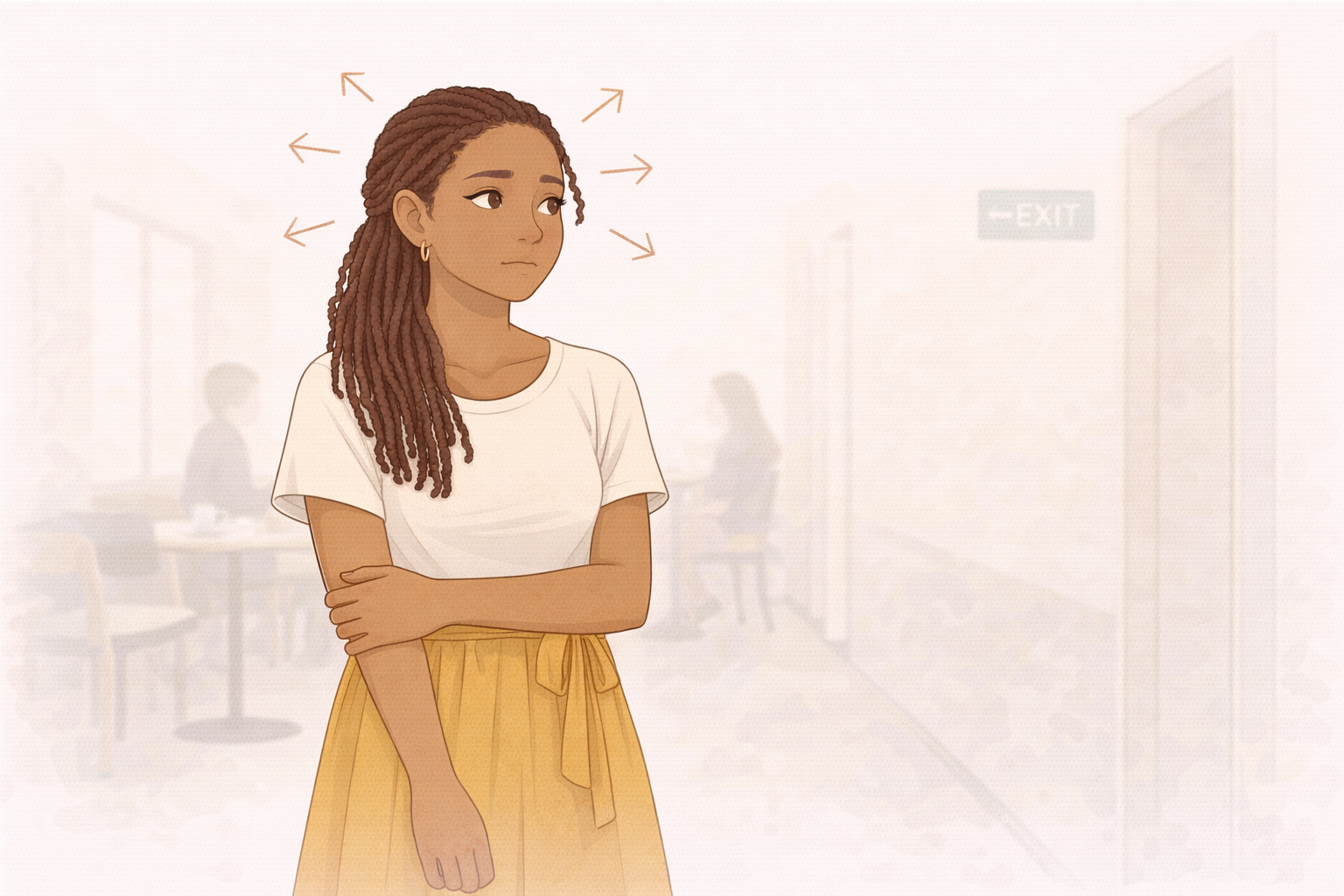
If you experience the anxious-to-numb cycle, it can feel unpredictable. You might be okay for a while, then suddenly you’re anxious again. Or you might push through a stressful week and then crash on the weekend. The truth is, the nervous system learns through experience and repetition, and it doesn’t update instantly just because your life looks calm on the outside.
A sensitized nervous system often has a lower threshold for danger. It’s like having a smoke alarm that goes off easily. The alarm is loud and real, but it doesn’t always mean there is a fire. In the same way, hypervigilance and anxiety can spike even when the situation is manageable. The alarm is real, but it’s not always accurate. Your body is responding to cues and patterns it learned, not always to the full truth of the present.
This is also why the cycle can vary from day to day. “Capacity” matters. If you’re sleep-deprived, hungry, dehydrated, overloaded, or running on caffeine, your nervous system has less room to handle stimulation. When capacity is low, the flight response can turn on faster and stay on longer. And when flight runs for too long, shutdown becomes more likely. That crash is often your system trying to recover.
There is also a reinforcing loop inside this pattern. Flight often comes with catastrophic thinking: “Something bad will happen.” “I need to be ready.” “I can’t relax.” Those thoughts increase nervous system activation, which increases scanning, which increases more alarming thoughts. Over time, the nervous system can start treating uncertainty itself as danger. Then, when the body finally can’t sustain that level of alertness, it drops into shutdown, which can bring another layer of thoughts: “What’s wrong with me?” “Why can’t I function?” “I’m failing.” Those thoughts add shame, which can deepen disconnection and make it harder to re-engage.
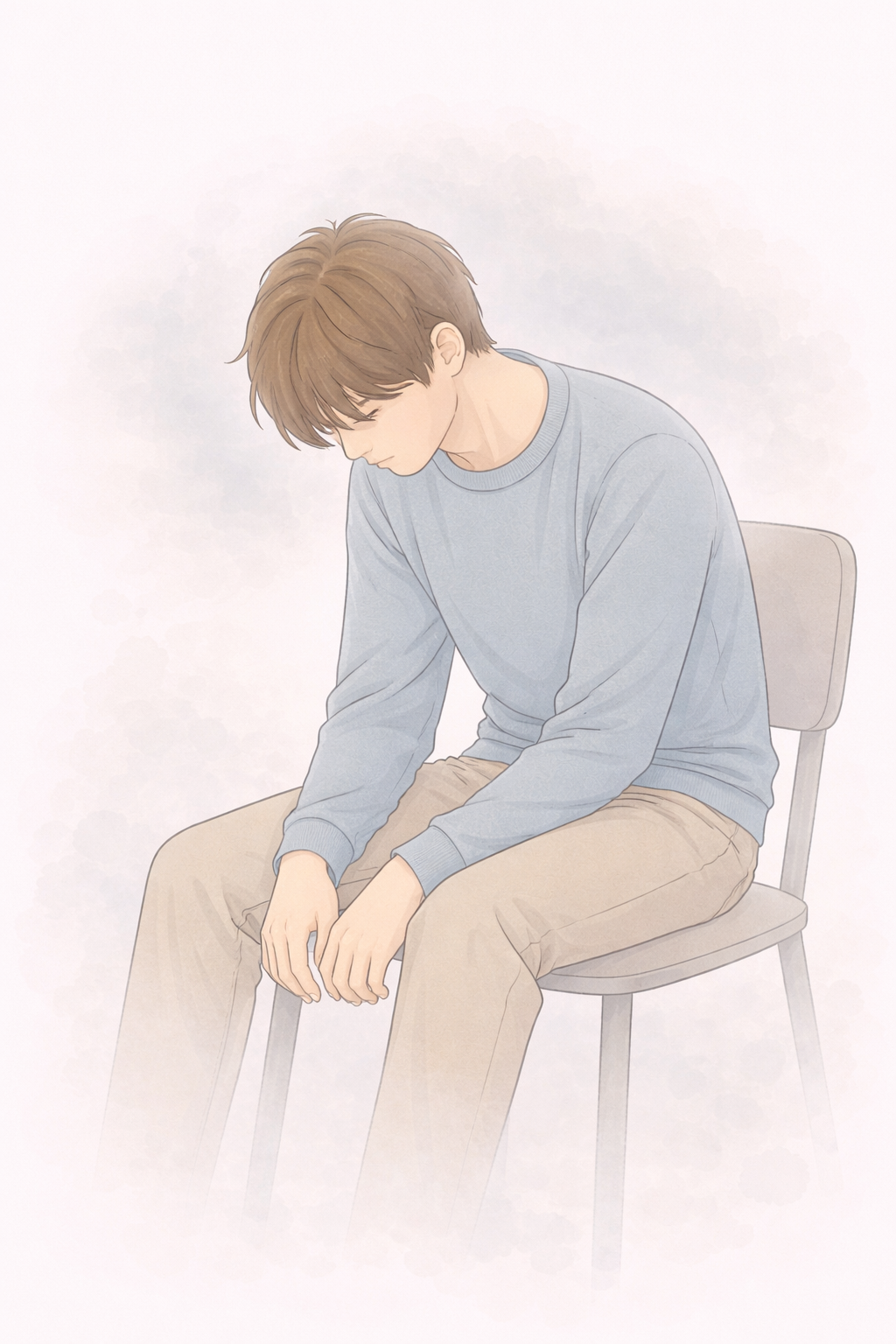
A key shift is realizing that this pattern is not random and it’s not a personal flaw. It’s a nervous system strategy. Your body is trying to protect you through flight, and when flight becomes too much, it protects you through shutdown. The goal is not to judge either state. The goal is to recognize the early signs of the swing and support your system before it has to crash.
If your ‘anxious’ state looks like scanning and racing thoughts, you may also like: Why Am I On Edge All the Time? Hypervigilance and the Nervous System.
If your ‘numb’ state looks like fog, blankness, or disconnection, read: Why Do I Shut Down and Dissociate When I’m Overwhelmed? (Numbness, Shutdown, and Survival Mode).
What to do when you feel the swing happening (3-step reset)
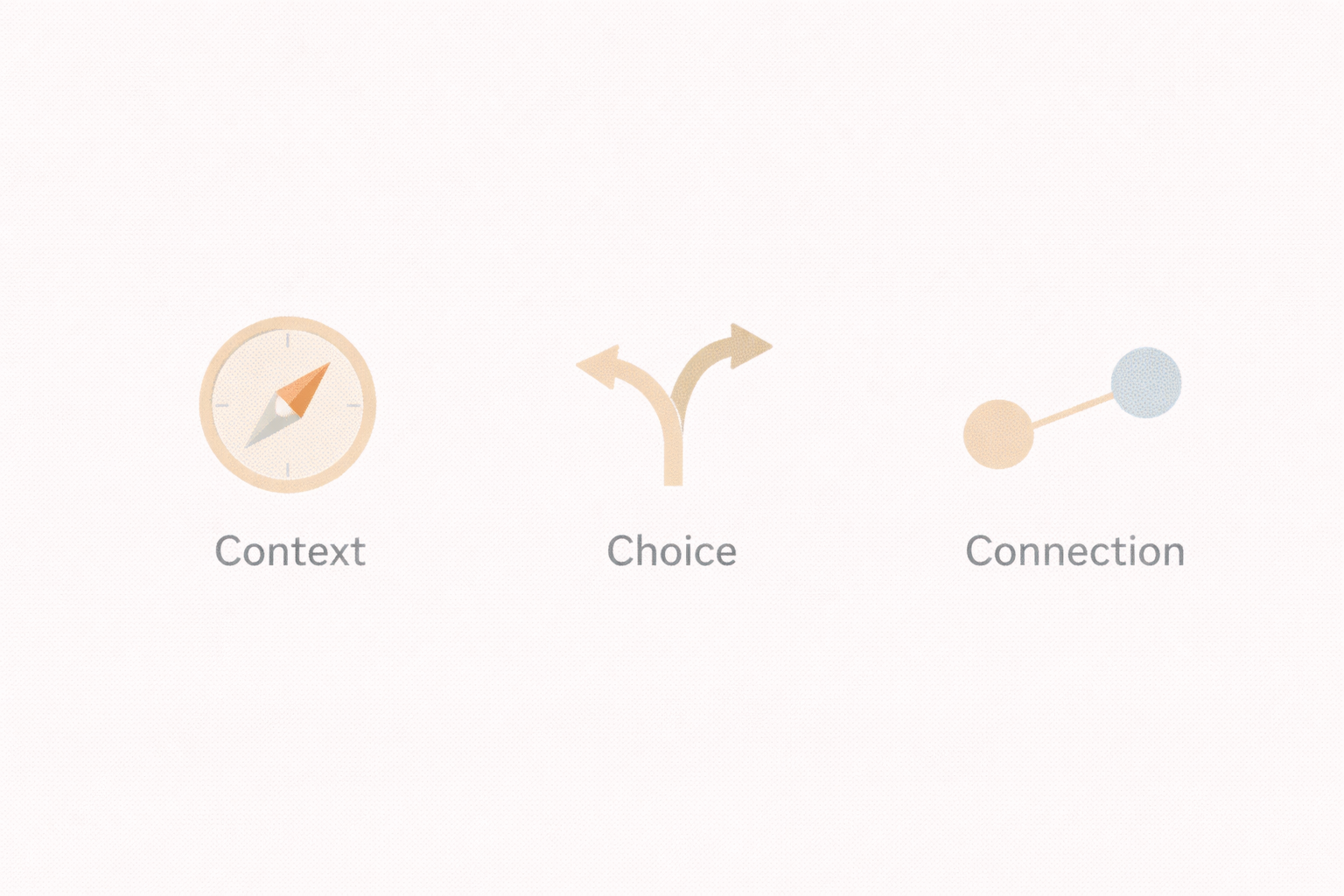
The most effective time to work with the anxious-to-numb cycle is often early, when you first notice flight building. You don’t need to eliminate anxiety. You just want to reduce intensity and increase safety so your system doesn’t have to crash into shutdown. A simple way to do that is to use Context, Choice, and Connection, and adjust the steps based on whether you’re in flight or shutdown.
If you’re in flight (anxious, scanning, hypervigilant)
Context:
Orient to the present moment: name where you are, what day it is, and three things you can see. Then add one body cue like feeling your feet on the floor.
Script: “My body is in flight right now. I’m safe enough in this moment.”
Choice:
Flight wants to do ten things at once. Give your nervous system one next step instead of ten.
“My next step is to drink water.”
“My next step is to send one email.”
“My next step is to take a 2-minute break.”
If you’re spiraling, you can use a container:
“I’ll think about this for 5 minutes, then I’m done.”
Connection:
Flight often calms faster with co-regulation. Text a safe person, hear a steady voice, or sit near someone supportive. You can also co-regulate with yourself by slowing your exhale and softening your gaze.
If you’re in shutdown (numb, foggy, disconnected)
Context:
Bring gentle awareness back: name the room, the time, and one thing you can feel (feet on the floor, warmth of a mug).
Script: “My body is shutting down. Small steps count.”
Choice:
Choose tiny actions only:
sip water
stand up for 10 seconds
step outside for one minute
set a 2-minute timer and do one small task
Connection:
Shutdown often needs connection first. A short call, a kind text, or sitting near someone safe can help your system come back online.
A phrase that helps across both states is:
“I don’t need to solve the whole future. I need to come back to this moment.”
When the cycle keeps repeating, therapy can help your nervous system update
Sometimes these tools are enough to help you soften the cycle. You catch flight early, you ground, you make one micro-choice, and you avoid a full crash. That matters. But many people find that this pattern has been running for years, and it keeps showing up no matter how much they “understand it.” If you’re frequently swinging between anxiety and numbness, it may be a sign that your nervous system needs deeper updating, not more willpower.
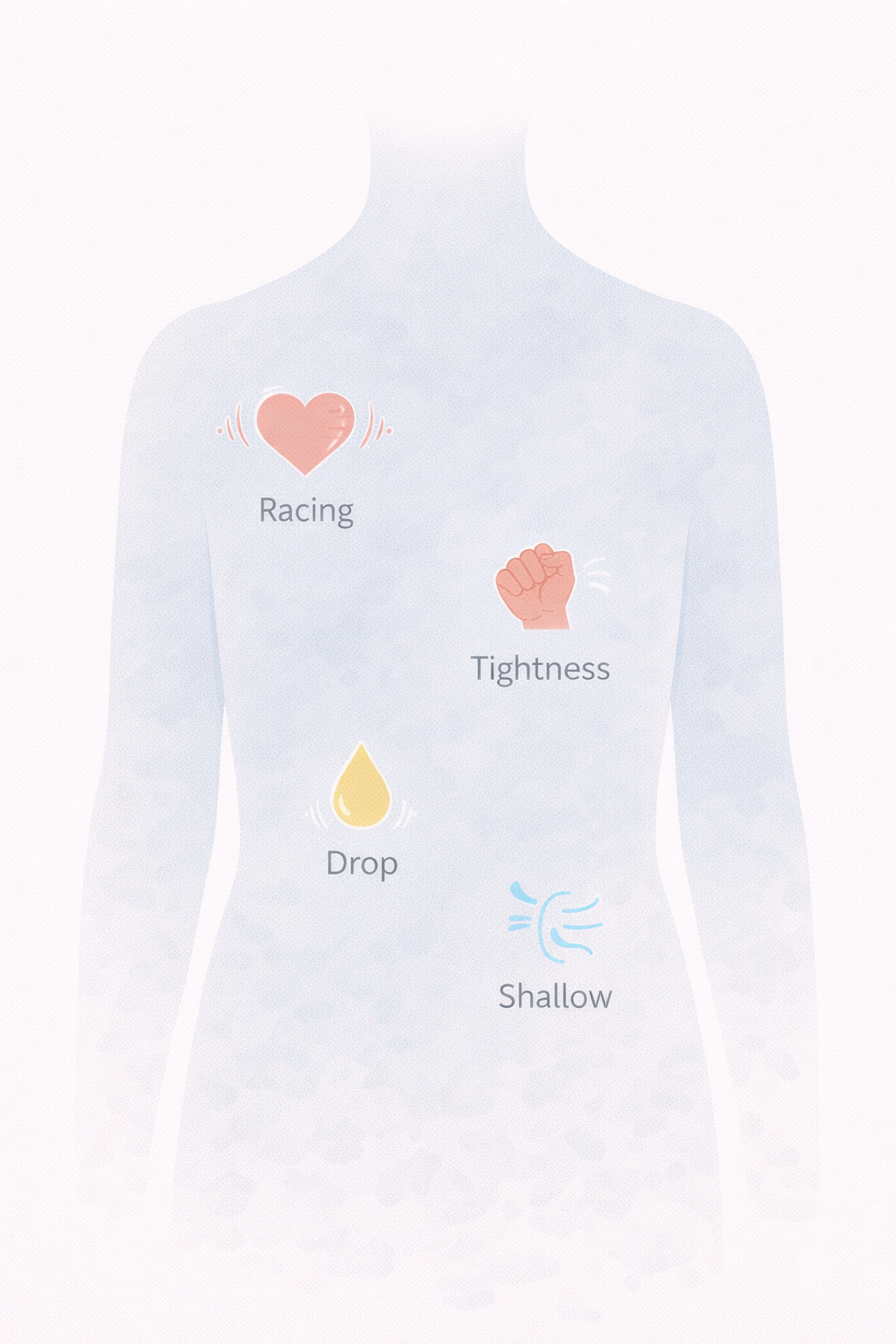
Trauma-informed therapy can help your nervous system learn safety again so it doesn’t have to live in extremes. The goal is not to erase your memories or force you to push through. The goal is to reduce body reactivity, increase capacity, and build a steadier baseline. Over time, many people notice less hypervigilance, fewer crashes into shutdown, more emotional access, and more confidence in their ability to handle stress without spiraling.
EMDR can be one option within trauma therapy when it is clinically appropriate. EMDR helps the brain and nervous system process stuck memories and patterns so the present stops feeling like the past. When the underlying “why” of the alarm is processed, the nervous system often becomes less reactive, and the anxious-to-numb cycle can soften over time. EMDR is paced carefully, grounded in safety, and guided by what feels manageable.
If what you read here resonated, you don’t have to figure this out alone. You can start with whichever next step feels most supportive right now:
If this resonates, you can begin here: Start Here: Stuck in Survival Mode.
If survival mode for you looks like going blank, numb, or disconnected, visit: Flashbacks, Triggers & Dissociation.
To learn more about EMDR and see if it’s a fit, visit: Online EMDR Therapy (CA).
Your nervous system learned protection. It can learn safety too.
Frequently Asked Questions
Why do I swing from anxious to numb?
Many people cycle from flight (anxiety, urgency, hypervigilance) into shutdown (numbness, fog, disconnection) when the nervous system becomes overloaded. Flight uses a lot of energy. When it runs too long, the nervous system may “power down” to protect you and conserve resources.
Is numbness a trauma response?
It can be. Emotional numbness is often a nervous system strategy that helps you get through overwhelm, especially if your system learned that feeling too much wasn’t safe. Even if you don’t label your experience as trauma, numbness can still be a protective stress response.
Why do I crash after being hypervigilant?
Hypervigilance keeps your body on high alert, scanning and bracing for danger. Over time, that state becomes exhausting. The “crash” is often your nervous system shifting into shutdown because it can’t sustain high activation indefinitely.
Is this anxiety or dissociation?
It can be both. The “anxious” side of the cycle often looks like anxiety and hypervigilance (flight), while the “numb” side can include dissociation or shutdown. If you notice fogginess, spacing out, or feeling unreal, dissociation may be part of the pattern.
Why does it feel worse on some days than others?
Nervous system capacity changes day to day. Lack of sleep, stress load, hunger, caffeine, hormonal shifts, and burnout can lower your capacity and make flight easier to trigger and shutdown more likely afterward. It doesn’t mean you’re failing, it means your system has less room.
How do I stop scanning and overthinking?
Start by treating scanning as a nervous system signal, not a personal flaw. Use context (orient to what’s true right now), then choice (one next step, not ten), and add connection when possible. The goal isn’t to eliminate thoughts, it’s to reduce the urgency so your body can settle.
What helps when I’m numb and foggy?
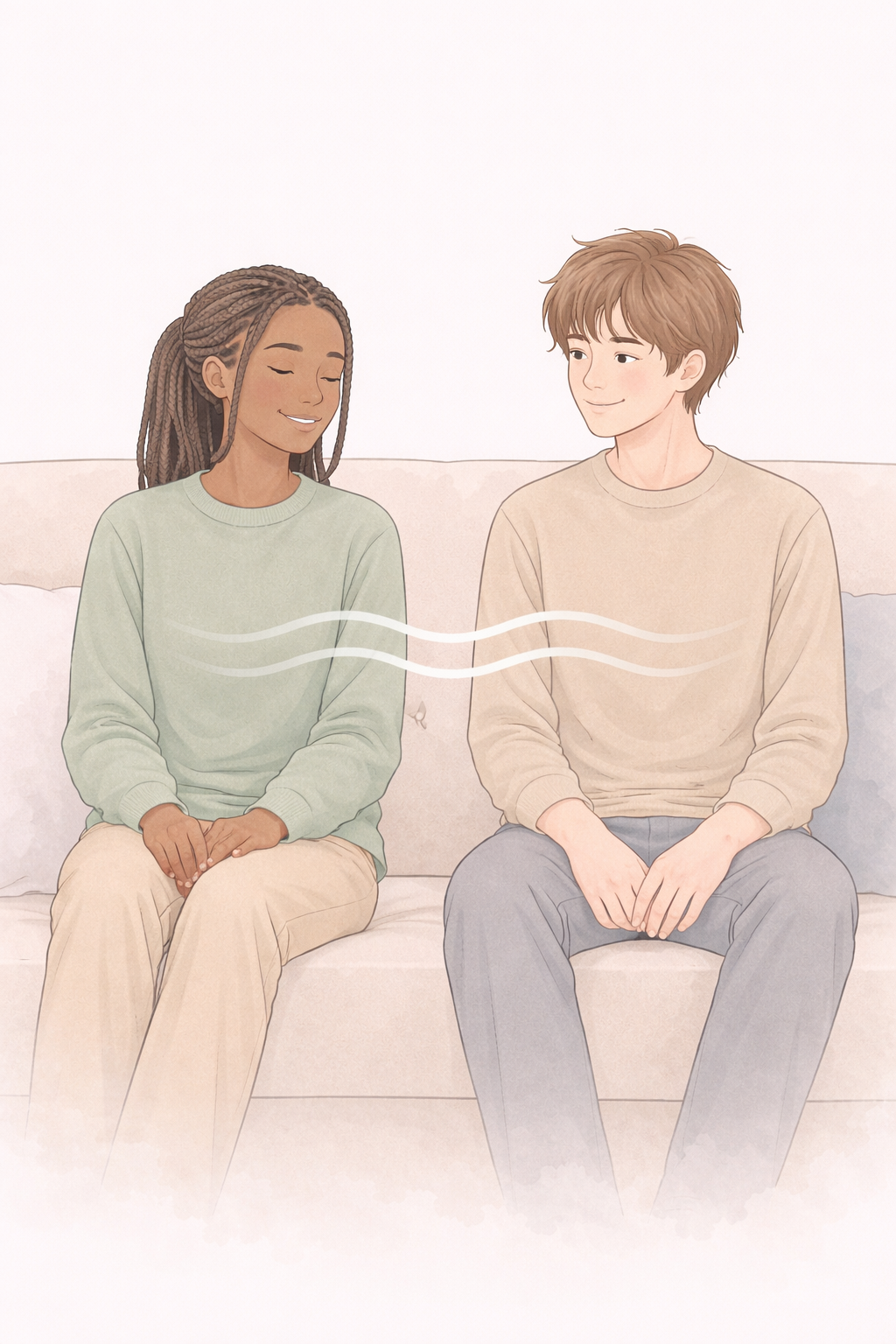
Go gently. Start with connection if you can (safe person, steady voice), then add context (name the room/date/3 things you see) and one tiny choice (sip water, stand for 10 seconds, 2-minute timer). Shutdown responds better to small steps than forcing.
Can EMDR help with the anxious-to-numb cycle?
For many people, yes, when it’s clinically appropriate and paced carefully. EMDR can help process stuck memories and patterns that keep the nervous system reacting as if danger is still present. As the underlying “alarm” softens, the swing between hypervigilance and shutdown often becomes less intense.
When should I seek therapy for this pattern?
If the cycle is frequent, intense, affecting sleep, relationships, work, or making your world smaller, therapy can help. You deserve support that helps your nervous system feel steadier so you’re not living in extremes.
